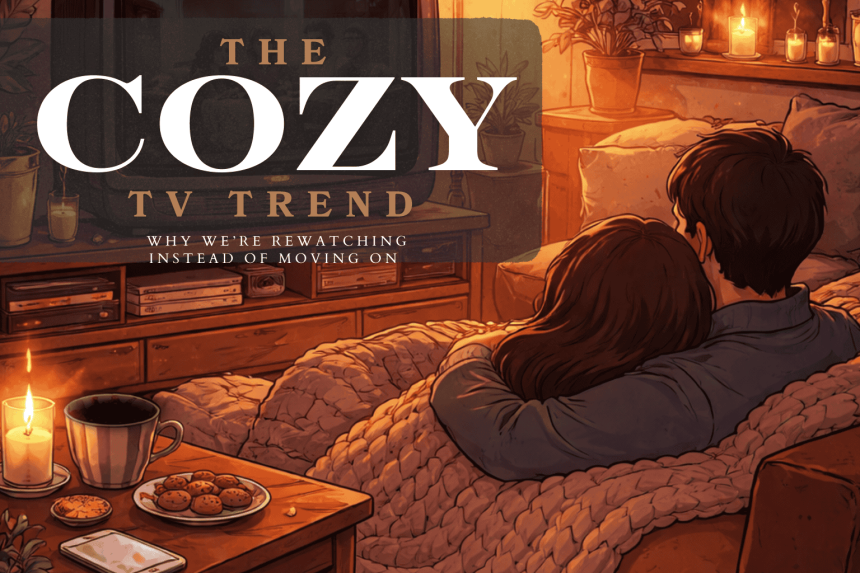

Why Reboots Are Everywhere in 2026
And What the Comfort TV Trend Says About Us
Reboots are everywhere again.
We survived Gilmore Girls: A Year in the Life. We adjusted to Fuller House. We debated The Conners. And now the Scrubs revival is here to send us back into a hospital hallway we already know by heart.
At first glance, it looks like the same nostalgia machine we’ve been riding for a decade. Reboots sell. Familiarity streams. Intellectual property rarely dies.
From a studio perspective, the appeal is obvious. If you already own the rights to a show, reviving it is far less risky than launching something entirely new. The characters are recognizable, the audience already exists, and the marketing practically writes itself. In an industry where every new series is a gamble, returning to established IP can be as much a cost-saving strategy as a creative one.
And whether audiences loved those reboots or criticized them, they still did exactly what studios hoped: they generated attention. Debate, nostalgia, curiosity, it all leads to the same outcome.
People press play.
But something about this moment feels slightly different.
Earlier revivals often leaned heavily on nostalgia as the main attraction. Gilmore Girls: A Year in the Life, for example, functioned almost like a reunion special, a chance to revisit beloved characters and familiar spaces. The appeal was largely retrospective: a look back.
The new wave of revivals is arriving in a different cultural moment. Shows like the upcoming Scrubs reboot are returning to audiences who aren’t just nostalgic, they’re exhausted by the constant churn of modern media.
Which raises an interesting possibility.
Maybe this latest reboot cycle isn’t just about nostalgia anymore.
Maybe it’s about comfort.
The Comfort TV Trend of 2026: Why Cozy Content Feels Different Now
Nostalgia has been trending for years. We’ve cycled through 90s throwbacks, early-2000s aesthetics, and more “core” trends than anyone can count.
But the comfort TV trend of 2026 feels less like aesthetic play and more like emotional strategy.
For a while, the internet rewarded intensity.
- High-drama prestige TV.
- True crime binges.
- Outrage cycles.
- Five a.m. routines.
- Relentless self-optimization.
The louder or more polarizing something was, the further it traveled.
Now?
People are rewatching sitcoms where the biggest conflict is a misdelivered pizza.
Comment sections aren’t saying, “This is iconic.”
They’re saying, “This feels safe.”
That shift is the story.
Algorithm Burnout and the Rise of the Cozy Internet Trend
Content speed has accelerated to an almost absurd degree.
- AI-generated everything.
- Trend cycles that last 48 hours.
- Infinite scroll with no stopping point.
- Reaction videos reacting to reaction videos.
The result is something many users are openly naming: algorithm burnout.
When everything online is optimized for engagement, something slow and familiar starts to feel radical.
The cozy internet trend isn’t competing on spectacle. It’s competing on stability.
Rewatching a show you already know removes emotional risk. You know who stays. You know who leaves. You know the ending.
Predictability becomes the appeal.
But predictability also raises a question.
Why Reboots Are Everywhere in 2026
While audiences reach for comfort, the industry has learned a different lesson:
Familiarity is safer.
Reboots come with built-in audiences. Recognizable titles reduce marketing risk. Investors prefer predictable returns. Existing IP travels globally.
And over time, that safety becomes strategy.
Revivals aren’t inherently bad. Some expand stories meaningfully. Some deepen characters. Some introduce classics to a new generation.
But when studios lean heavily on legacy properties, the ecosystem shifts.
New creators don’t just compete with each other, they compete with decades of emotional attachment.
Pitching an original ensemble comedy is harder when audiences already feel bonded to one.
If algorithms prioritize recognizable titles, originality becomes a bigger gamble.
The Nostalgia Trend in 2026: It’s About Pace, Not Just Reboots
Audiences aren’t rejecting new ideas. They’re reaching for steadiness.
When we revisit a show like Scrubs, we’re not just revisiting characters.
We’re revisiting pacing.
Earlier 2000s television was episodic. Self-contained. Lower stakes. Characters talked through problems instead of escalating them into spectacle.
Outside of TV, the nostalgia trend of 2026 runs deeper.
We miss:
- Pre-algorithm feeds
- Weekly episode drops
- Smaller online communities
- Fewer notifications
It’s not about wanting the past back.
It’s about wanting fewer inputs.
Reboot Fatigue vs. Comfort Viewing: Where’s the Line?
Here’s the contradiction.
We say we want fresh voices. We celebrate originality.
But when it’s time to press play?
Familiar often wins.
That doesn’t make viewers shallow; it makes them human. In an overstimulated media environment, trying something new requires bandwidth.
And bandwidth feels limited.
If studios lean too heavily on reboots, creative stagnation becomes a real concern. Fewer experimental pilots. Fewer first-time showrunners. Fewer risky stories that could become the next generation’s comfort rewatch.
Cozy should be a choice, not a ceiling.
Because today’s original content becomes tomorrow’s nostalgia.
If we stop making new stories, we eventually run out of things to feel nostalgic about.
Why Choosing Comfort in 2026 Feels Countercultural
For years, being impressive online meant being:
- Productive
- Loud
- Disruptive
- Always on
Now softness is quietly outperforming spectacle.
Comfort rewatches trend.
“Slow morning” content thrives.
Low-stakes gaming returns.
People admit they just want something gentle.
Choosing comfort in an urgency-driven ecosystem feels rebellious.
Cozy in 2016 was aesthetic.
Cozy in 2026 feels like nervous system management.
It looks like:
- Logging off earlier
- Watching one episode instead of six
- Letting silence exist
- Choosing warmth over spectacle
That’s not a design trend.
That’s recalibration.
Is the Cozy Internet Back: Or Did We Just Hit a Burnout Ceiling?
Cozy never truly disappeared.
It was just drowned out by urgency.
For a while, chaos performed better. Drama dominated. Intensity ruled. The louder the content, the further it traveled.
Now the pendulum appears to be shifting, not toward innocence, but toward steadiness.
But not every reboot fits neatly into the idea of “cozy.” Some revivals lean into spectacle or nostalgia without capturing the emotional warmth that made the originals work in the first place.
Which may be why the most interesting opportunity in this moment isn’t simply bringing old shows back.
It’s reinventing them.
The healthiest version of this Cozy Era isn’t endless reboots or total creative retreat. It’s balance.
Familiar stories alongside bold new ones.
Lower stakes paired with fresh perspectives.
Comfort without stagnation.
The most exciting possibilities might come from creators who take the spirit of these comfort shows, character-driven storytelling, humor, warmth, and push them somewhere new.
Because someday, the risky new show no one is sure about will become the one we rewatch for comfort.
And the cycle will begin again.
Author Bio
Ashley is a busy wife and mother who can often be found listening to an audiobook while driving the mom taxi in a desperate attempt to cling to her sanity through the joy of escapism. Her love of reading inspired her to return to school, and she is currently finishing her bachelor’s degree in creative writing at Southern New Hampshire University. Being a mother does not mean you have to give up your dreams; her story is still being written.