
Talking Cats, Secret Paths, and How Writers Can Keep Readers Hooked?
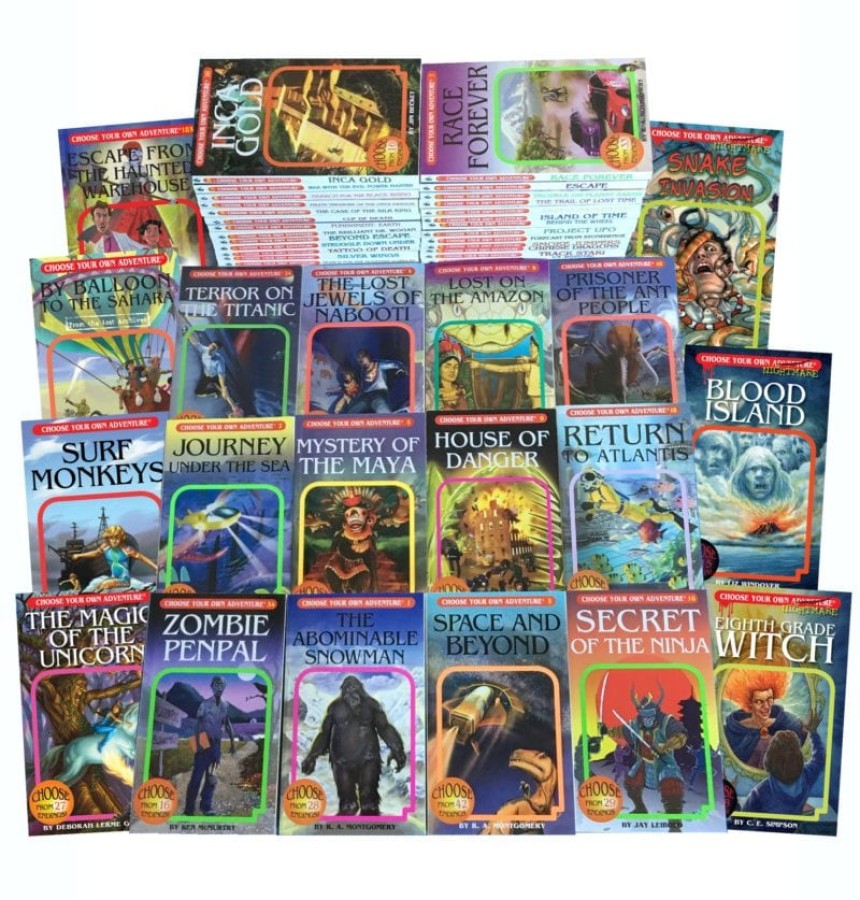
For many readers, the first time a story felt participatory came through the Choose Your Own Adventure books that circulated through classrooms and libraries in the 1980s and 90s. Those stories asked readers to make decisions, open the door, turn back, follow the stranger, and each choice sent the narrative down a different path. Two people could start on the same page and end up in completely different places.
Most novels aren’t structured that literally, but in practice reading often works in a similar way. Every reader moves through a story guided by their own experiences, expectations, and interpretations. The words remain the same, yet the meaning of the story shifts depending on who is reading it.
That sense of personal investment is part of what makes literature such a durable cultural form. Readers rarely encounter books as passive consumers. They form book clubs to compare interpretations, build fandom communities that debate what is or isn’t canon in a series, and return to favorite works repeatedly, discovering new layers each time.
In that sense, most books function as a kind of interpretive “choose your own adventure.” The author provides the structure, characters, and events, but readers trace their own paths through the material, connecting it to their own experiences and ideas. The result is a kind of shared ownership: the same text, but many possible readings.
Certain stories naturally invite this kind of reader participation, and Murakami’s fiction is a striking example. His work has inspired decades of interpretation around a surprisingly ordinary recurring element: cats.
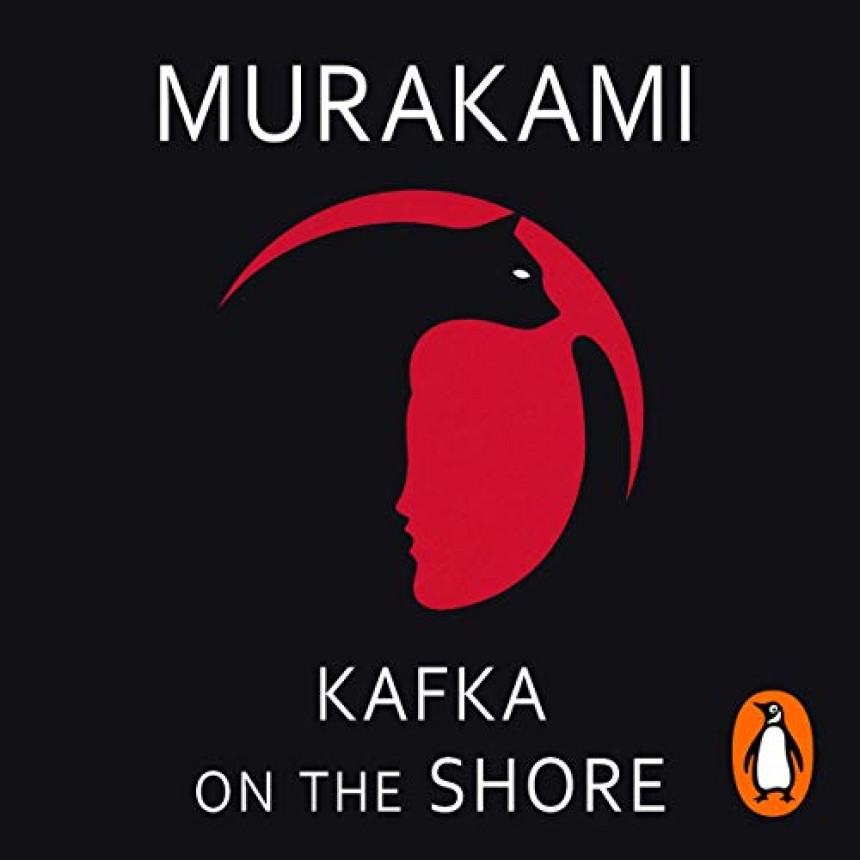
Cats appear throughout Murakami’s novels, including A Wild Sheep Chase, The Wind-Up Bird Chronicle, and Kafka on the Shore. Sometimes they are just background companions. Sometimes they disappear, triggering the story’s central mystery. And sometimes they seem to function as quiet gateways into other worlds, leaving space for readers to attach their own meanings.
Over time, critics and readers have built an entire symbolic ecosystem around these appearances. Some scholars read Murakami’s cats as stand-ins for children or distorted parental figures. Others see them as emissaries from parallel realities, “delegates from another world,” as John Updike once described them.
Murakami himself, however, offers a much simpler explanation. In interviews he has said that he simply likes cats, even listing “the cat, the books, and the music” as three things that sustain his writing life.
That gap between “I just like cats” and “cats as metaphysical symbols” is where readers get to work.
Take Kafka on the Shore. Talking cats and cat disappearances have sparked years of interpretation. Some readers see them as symbols of intuition or liminal space. Others read Nakata’s ability to speak with cats as evidence that he exists partly outside ordinary reality.
Even the novel’s darker moments generate competing interpretations. Some readers see Johnnie Walker’s cat killings as a critique of cruelty and power. Others interpret the same scenes through a mythic lens, as symbolic acts that unlock deeper layers of the narrative.
Spend a few minutes in a Murakami forum or reading community and you see the range immediately. Are the cats guides? Omens? Fragments of the unconscious? Or simply witnesses drifting along the edge of the story?
The text leaves room for all of these readings, and that openness is exactly what keeps the conversation alive.
For authors, this kind of interpretive activity isn’t noise. It’s fuel.
Every theory, essay, or forum thread extends the life of a story. Academic criticism strengthens a writer’s literary reputation, while fan discussions and recommendation posts keep books circulating long after their initial release.
And importantly, many of these interpretations go well beyond anything the author has confirmed. That’s not a failure of communication. It’s often a sign that readers feel personally invested in the work.
When readers believe they’ve discovered something meaningful in a story, something that feels uniquely theirs, they tend to stick with it. They reread. They recommend it to friends. They argue about it online. In short, they become advocates.
Today, digital platforms amplify that effect dramatically. Discussions that once happened in classrooms or literary journals now unfold across social platforms, reading apps, fan blogs, and Discord servers. A single interpretation posted online can spark dozens of new ones. The conversation itself becomes a form of ongoing visibility for the book.

For creators, that dynamic suggests a few practical lessons.
- Build symbols that can support multiple interpretations. Murakami’s cats are specific enough to be memorable, but open enough that readers can attach their own meaning to them.
- Let readers talk to each other. Book clubs, reading communities, and online discussions help interpretations evolve, and those conversations often keep a book alive longer than any marketing campaign.
- Resist the urge to over-explain. Murakami rarely locks down the meaning of his symbolic elements. That ambiguity gives readers room to explore.
- Treat reader insight as part of the creative ecosystem. When readers feel that their interpretations matter, their connection to the work deepens.
In the end, when readers see Murakami’s cats as childhood memories, mythic guides, fragments of the unconscious, or simply beloved animals wandering through surreal landscapes, they aren’t misreading the story.
They’re participating in it.
Every reader ultimately takes a slightly different path through the same pages. Like the books many of us grew up with, the power of literature often lies in the space it leaves for readers to make the story partly their own.
And for authors, creating that space may be one of the most powerful storytelling tools there is.
Cited Sources
Adelina Vasile, “Cat Imagery in Haruki Murakami’s Fiction” (academic PDF)
Semantic Scholar entry for “Cat imagery in Haruki Murakami’s fiction”
“Cats and Murakami: Do Felines Really Appear in All His Novels?” (Substack essay)
“What Is The Significance Of Cats In ‘Kafka On The Shore’?” (reader Q&A and analysis)
Short documentary “Why Haruki Murakami loves cats” (YouTube)
About the Author
Nikki Lopez is a seasoned professional with over a decade of experience in the startup world, specializing in leveraging creative content and community building to empower content creators. Known for a strategic approach and a deep understanding of audience needs, Nikki has a proven track record of leading the development of engaging content strategies and guiding the growth of thriving communities. Her leadership focuses on fostering meaningful interactions and impactful journeys for both creators and their audiences.