
Family Content Isn't The Problem. Exploitation Is.
A deep dive into the difference between ethical parenting content and child exploitation online. From Julie and Camilla Lorentzen’s honest approach to motherhood and IVF, and transparency, to the darker realities exposed by Ruby Franke and the Duggar family, this article explores where the line between storytelling and exploitation is really drawn.
There’s a strange trend happening online right now where people act like all parenting content is inherently exploitative.
A mom posts about postpartum depression? Exploitation.
A couple shares their IVF journey? Exploitation.
Someone talks honestly about labor, miscarriage, infertility, NICU trauma, or the reality of early parenthood? Suddenly, the internet decides children are being “used for content.”
But the issue was never parents talking about parenthood online.
The difference has always been how creators handle their family’s story, and whether the child remains a protected part of that story or becomes the product itself.
There’s a massive difference between:
- sharing your experience as a parent
vs.
- building content around a child’s most vulnerable moments.
Some creators document pregnancy, infertility, postpartum recovery, and motherhood while fiercely protecting their children’s privacy and autonomy.
Others build audiences by turning their children’s emotions, punishments, struggles, and personal lives into entertainment.
That’s the line.
And honestly? The internet has gotten very bad at telling the difference.
The Internet Has Started Confusing Visibility With Exploitation
The conversation around “family creators” has become so broad that nuance is getting lost in the noise.
People are acting like showing any part of parenting online is morally equivalent to building an empire off your child’s emotional breakdowns.
Those are not the same thing.
And honestly, part of the reason these conversations feel so intense right now is because influencer culture spent years selling perfection.
Perfect homes.
Perfect pregnancies.
Perfect marriages.
Perfect babies.
Perfect routines.
Social media became flooded with heavily curated motherhood content that often felt more like branding than real life.
Now, there’s a growing group of creators pushing back against that polished version of parenthood by talking honestly about the parts people were once expected to keep private:
- pregnancy complications
- traumatic births
- IVF
- miscarriage
- NICU stays
- postpartum depression
- identity loss after becoming a parent
For a long time, many women were expected to endure those experiences in silence.
Now? People are finally talking about them openly.
And despite the backlash some creators receive, that honesty is genuinely refreshing to a lot of people.
Because in an online culture built around performative perfection, vulnerability stands out.
There’s a growing group of creators proving you can document pregnancy, birth, infertility, postpartum recovery, and motherhood responsibly while still protecting your child’s privacy and autonomy.
That honesty has value.
Camilla and Julie Lorentzen Understand the Difference

Recently, Julie and Camilla received criticism online after sharing parts of Camilla’s labor and being transparent about the money they earned from that content.
And somehow, the conversation immediately became:
“They monetized childbirth.”
But that framing ignores what they’re actually doing.
Julie and Camilla have consistently centered their experience as mothers rather than exposing their child to millions of strangers. They don’t plaster their children faces across the internet. They avoid sharing identifying details. Their content has been focused on pregnancy, labor, postpartum recovery, relationship dynamics, exhaustion, anxiety, and the emotional reality of becoming parents.
That distinction matters.
Because the internet has become weirdly uncomfortable with women discussing motherhood honestly unless it’s sanitized, aesthetic, and completely unmonetized.
Which is interesting considering nobody bats an eye when male creators monetize:
- fitness journeys
- grief
- mental health
- weddings
- surgeries
- career failures
- life updates
But pregnancy? Birth? Postpartum recovery?
Suddenly, women are expected to suffer privately or share their experiences for free.
And it’s hard not to notice who often becomes the loudest voice in these conversations.
A lot of the outrage comes from people who have never experienced pregnancy, labor, postpartum recovery, or infertility firsthand, particularly men who feel deeply entitled to police how women talk about motherhood online.
Transparency Isn’t the Same as Exploitation
Honestly, one of the most refreshing things about Julie and Camilla was the transparency.
They made the very intentional decision to share parts of their labor in real time. And to be clear, they documented roughly thirty minutes of footage during an exhausting 43-hour labor and delivery, which hardly supports the internet narrative that they were “on their phones the entire time.”
More importantly, it was their story to share.
The physical toll of labor.
The emotional intensity of childbirth.
The fear, exhaustion, vulnerability, and recovery attached to becoming parents.
Those experiences belonged to them.
And they shared those moments while still protecting their child’s privacy by avoiding names, faces, and identifying details.
They also didn’t hide the reality that creators earn money from documenting their lives.
That honesty is probably healthier than pretending influencer content exists in some magical “authenticity-only” vacuum.
Because audiences already understand that creators monetize their lives online.
The issue was never monetization by itself.
The issue is what — or who — is being monetized.
There’s a difference between:
- monetizing your experience as a parent
and
- monetizing your child’s vulnerability.
That’s where the line shifts from storytelling into exploitation.
The problem is who bears the cost of the content.
And in ethical parenting content, the child should never be the one paying for it with their privacy, autonomy, or emotional safety.
A Voice for the Voiceless
Above all, this content’s value lies in being a voice for the voiceless.
Many mothers (myself included) would never be brave enough to share the raw realities that Camilla and Julie graciously gifted.
Shrouding these experiences and deeming them unseemly to share does a disservice to women.
And you know what else?
Who is forcing you to watch their content?
No one.
If you don’t like it, don’t watch it.
The Pasinis Are Sharing the Parts People Usually Hide
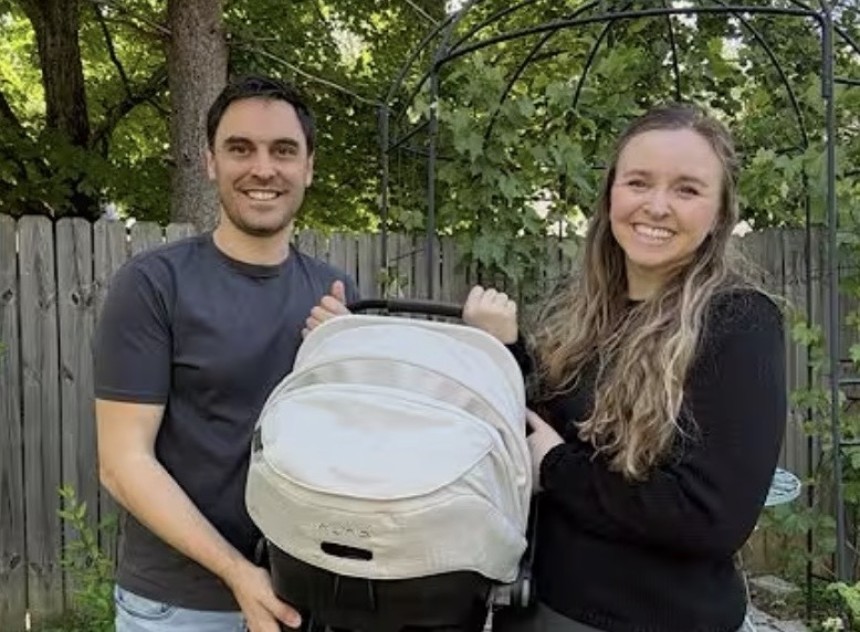
Jessi and Alessio Pasini are another example of creators documenting parenthood in a way that feels deeply human rather than exploitative.
Their content around infertility, IVF, pregnancy complications, and the NICU experience resonates because it centers vulnerability instead of performance.
That kind of openness genuinely helps people.
Infertility can feel isolating. NICU stays can be traumatic. IVF is emotionally and physically brutal in ways people rarely discuss openly enough.
Seeing creators pull back the curtain on those experiences gives other parents language for things they may not have known how to articulate themselves.
And again:
There’s a huge difference between:
- “Here’s what we are going through as parents.”
- and
- “Here’s our child’s most vulnerable moment for engagement.”
One creates community.
The other creates content at a child’s expense.
Then There’s Ruby Franke
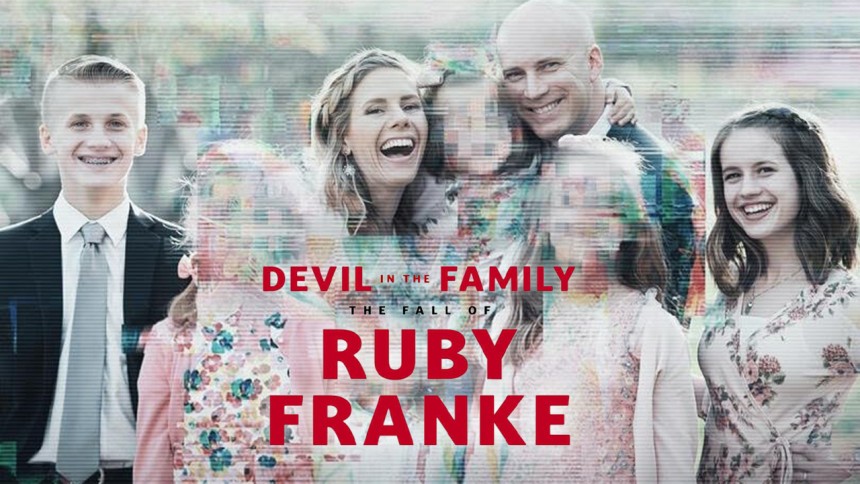
If Julie and Camilla represent what ethical parenting content can look like, Ruby Franke represents exactly how badly it can go wrong.
The issue was never simply that family content existed.
It was that the line between parenting and performance disappeared entirely.
Children became storylines.
Punishments became content.
Emotional distress became engagement fuel.
And eventually, the audience wasn’t watching a family anymore.
They were watching control, humiliation, and harm packaged as parenting advice.
That’s the actual danger people are trying to describe when they critique family influencers.
But instead of targeting exploitation specifically, the internet often swings toward condemning all parenting content equally.
Ironically, that can make the conversation less useful.
Because when everything gets labeled harmful, the distinctions start disappearing.
Creators documenting postpartum recovery or infertility while protecting their children’s privacy get lumped into the same category as creators monetizing punishment, fear, humiliation, or emotional distress.
And honestly, that doesn’t just hurt the creators trying to do this responsibly.
It also minimizes the severity of the genuinely dangerous cases.
If every parenting creator is treated as equally unethical, then the worst offenders stop standing out as alarming exceptions and instead start looking like just another part of the industry.
That makes it harder to identify exploitation when it’s actually happening.
Nuance matters here.
Because there’s a difference between parents sharing their experiences online and children being turned into the product itself.
The 19 Kids and Counting Era Should Have Been a Warning Sign
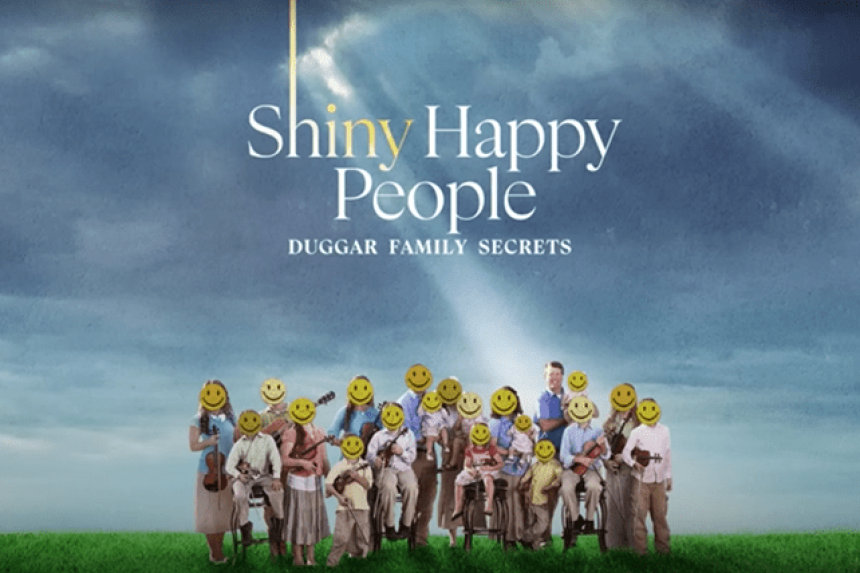
Long before TikTok and YouTube family vloggers became controversial, reality television was already showing us what happens when children grow up as content.
The Duggar family built an entire media empire around their children’s lives through shows like 19 Kids and Counting and later Counting On. Audiences watched birthdays, courtships, pregnancies, arguments, weddings, discipline, and deeply personal family moments play out on television for years.
At the time, much of it was framed as wholesome family entertainment.
But as some of the Duggar children became adults, the conversation shifted dramatically.
Several of the adult children have since spoken publicly about feeling exploited, overworked, or financially excluded from the empire built around their lives. Jill Duggar in particular has discussed not initially receiving fair compensation despite spending much of her childhood and early adulthood filming for the family brand.
And honestly? That gets to the heart of the issue.
Children cannot meaningfully consent to becoming public figures before they understand what privacy actually costs.
A toddler cannot comprehend:
- permanent digital footprints
- public scrutiny
- loss of anonymity
- parasocial audiences
- their most vulnerable moments living online forever
What looks harmless in the moment can become deeply complicated once those children grow up and realize millions of strangers consumed their childhood as entertainment.
That’s why conversations about ethical parenting content matter so much now.
Because the internet didn’t invent this problem.
It just made it more wide spread and easier to capitalize.
So What Does Ethical Parenting Content Actually Look Like?
The healthiest creators tend to follow a few clear patterns:
They Center the Parents — Not the Child
The story is about their experience navigating parenthood, not their child performing for an audience.
They Protect Privacy
- No faces
- No schools
- No schedules
- No deeply personal medical details
- No embarrassing moments archived forever
And contrary to what many have speculated, sharing a labor and delivery where the child is not shown at all, other than one brief glimpse of the back of the head, is not about the child…
It's about the mother.
They Consider Future Consent
A toddler cannot meaningfully agree to internet fame.
Creators who understand this minimize their child’s digital footprint accordingly.
They Avoid Turning Distress Into Entertainment
- Tantrums
- Punishments
- Meltdowns
- Medical emergencies
- Vulnerable emotional moments
These things should not become a monetized spectacle.
They Treat Parenthood Like a Human Experience — Not a Brand Strategy
There’s a difference between documenting life and manufacturing drama for engagement.
Audiences can usually feel the difference.
The Real Conversation We Should Be Having
The conversation shouldn’t be:
“Should parents ever post online?”
That ship sailed years ago.
The better question is:
“How do creators discuss parenthood ethically while protecting their children’s autonomy?”
Because those are two very different discussions.
And if we refuse to acknowledge that difference, we risk pushing valuable conversations about pregnancy, postpartum recovery, infertility, queer parenthood, IVF, maternal health, and the emotional reality of raising children back into silence again.
Not every parenting creator is exploiting their child.
Some are simply refusing to hide what parenthood actually looks like.
Honestly, I’d rather see more support for creators who are trying to navigate that balance responsibly.
Creators who:
- protect their children’s privacy
- avoid turning vulnerable moments into entertainment
- center their own experiences instead of their child’s distress
- talk honestly about the parts of parenthood people once felt pressured to survive quietly
Because the answer isn’t forcing parents offline.
There is real value in sharing real, raw, and emotional experiences.
It makes people feel like they are not alone.
It’s creating a culture that values ethical storytelling over exploitation.
And the more clearly we define that difference, the easier it becomes to support creators doing it right while holding those doing real harm accountable.
About The Author
Ashley is a busy wife and mother who can often be found listening to an audiobook while driving the mom taxi in a desperate attempt to cling to her sanity through the joy of escapism. Her love of reading inspired her to return to school, and she is currently finishing her bachelor’s degree in creative writing at Southern New Hampshire University. Being a mother does not mean you have to give up your dreams; her story is still being written.