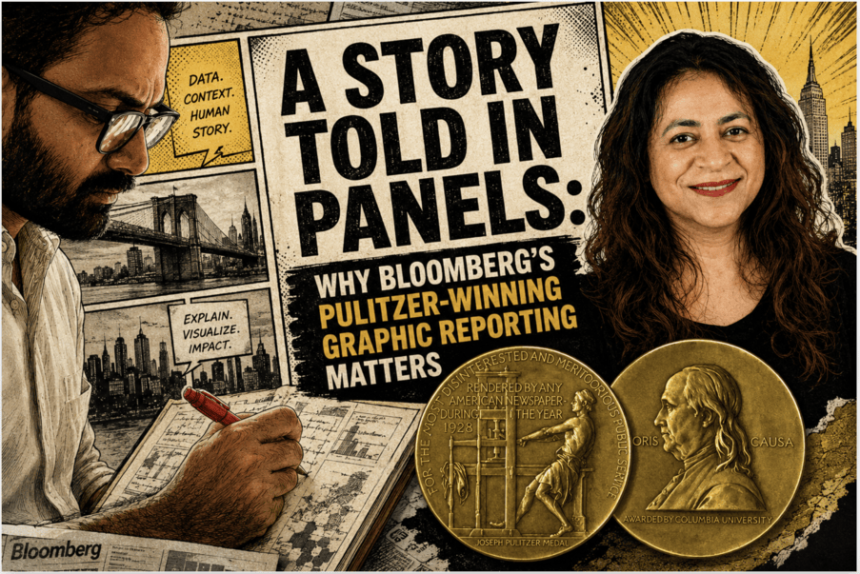

A Story Told in Panels: Why Bloomberg’s Pulitzer-Winning Graphic Reporting Matters
Bloomberg News’s 2026 Pulitzer Prize for Illustrated Reporting and Commentary recognizes more than a single standout investigation. It also spotlights the enduring power of the graphic novel as a serious journalistic form that can carry complex reporting, emotional truth, and visual immediacy all at once. The winning work, trAPPed, shows how comics journalism can expose hidden systems of fraud while making an abstract global problem feel human and urgent.
The piece and the prize
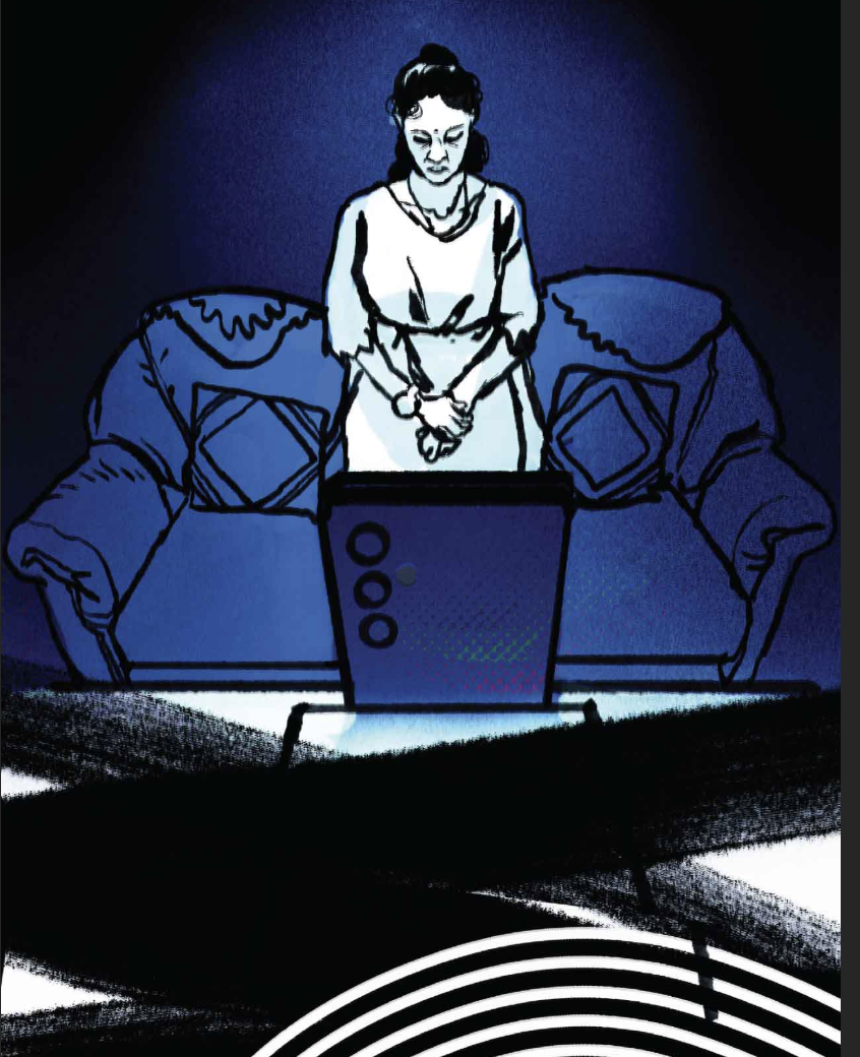
trAPPed follows the story of a neurologist in India who was held under “digital arrest” by her phone for eight days, trapped by criminals using fear, surveillance, and manipulation. Bloomberg’s reporting team combined investigative depth with sequential art to show not only what happened, but what it felt like to live through it. The Pulitzer Prize Board praised the work for using “visuals and words” to illuminate the growing dangers of digital scams and surveillance.
This award also fits into the larger history of the Pulitzer Prize itself. The Pulitzer Prizes have long recognized work that expands the boundaries of journalism, and the illustrated reporting category reflects the growing legitimacy of visual storytelling in serious news coverage. Bloomberg’s win matters because it confirms that the form is not a novelty; it is a powerful reporting tool in its own right.
Why graphic reporting works
Graphic journalism succeeds because it can do what prose alone sometimes cannot: show atmosphere, timing, fear, and confusion in a way readers can absorb quickly. Images slow the reader down, make details memorable, and create a more intimate connection to the subject. When paired with reporting, illustration can clarify events that are emotionally overwhelming, visually complicated, or hard to capture with traditional reporting alone.
That is part of why the medium has become so important in contemporary journalism and nonfiction. Graphic narratives can compress large amounts of information without flattening the human experience, and they can give readers access to both facts and feelings. In investigative work, that combination can be especially effective when the story involves trauma, bureaucracy, or technology that is difficult to visualize.
A longer visual tradition
Graphic storytelling did not appear out of nowhere. Editorial cartoons, comics, caricatures, and illustrated reporting have long been part of public debate, especially in moments of crisis and protest. From newspapers to magazines to underground publications, visual art has been used to criticize power, rally communities, and make political ideas legible to wide audiences.
That history helps explain why modern graphic journalism feels both fresh and familiar. It extends an older tradition of using images to challenge authority and shape public understanding. In that sense, Bloomberg’s piece belongs to a much larger lineage of graphic art as a tool of witness, critique, and resistance.
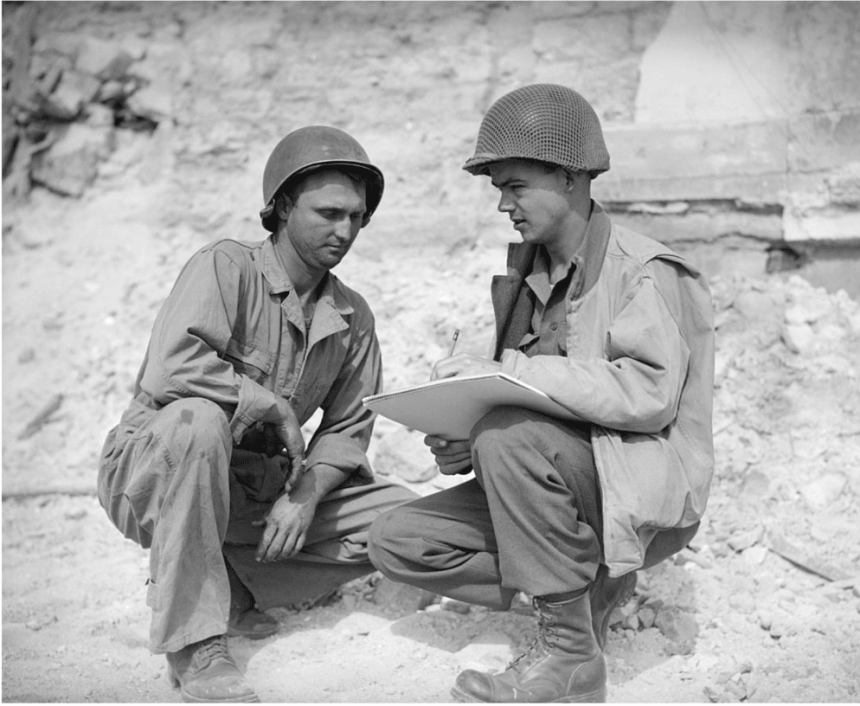
Bill Mauldin, 1944 drawing one of his war cartoons
Why Maus and Persepolis matter
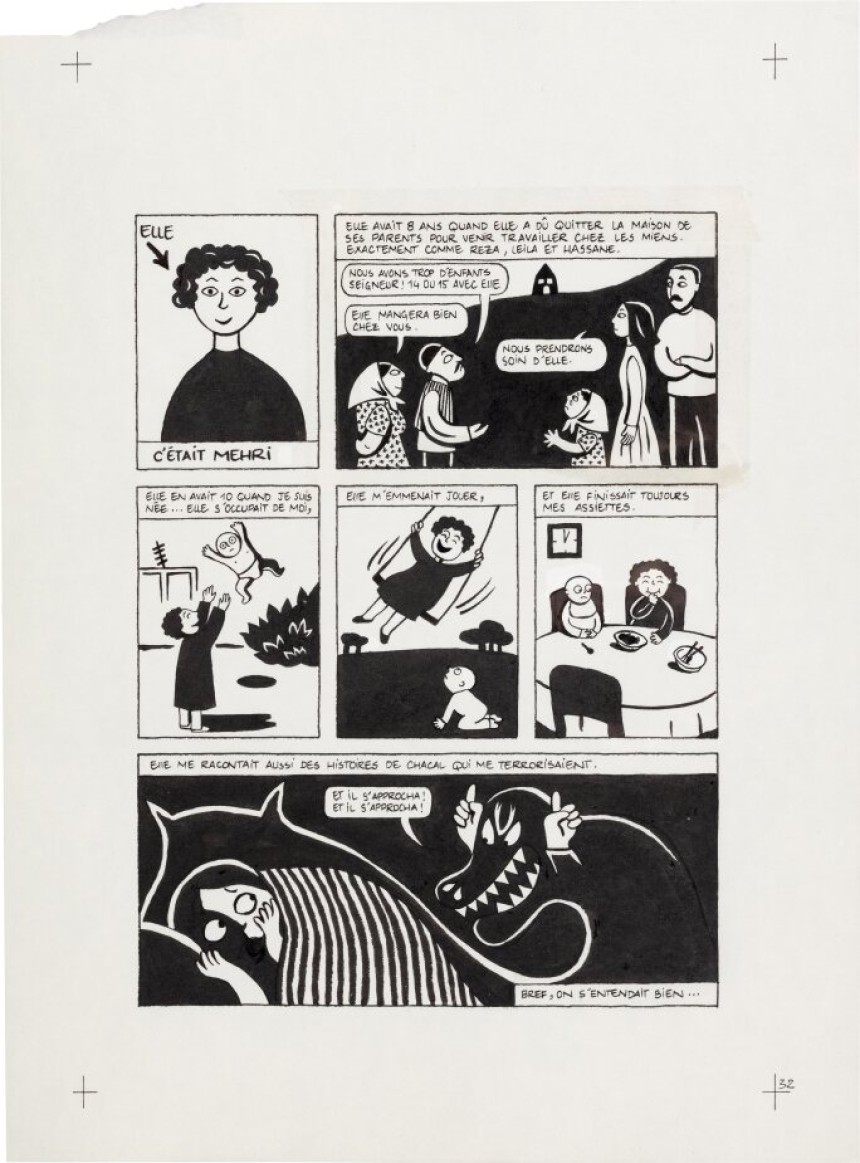
Two of the most important reference points for the legitimacy of the graphic novel are Art Spiegelman’s Maus and Marjane Satrapi’s Persepolis. Maus demonstrated that comics could confront genocide, memory, and trauma with extraordinary seriousness, and it remains one of the defining works in the medium’s history. Persepolis showed how memoir, politics, and rebellion could be rendered through stark black-and-white images with enormous emotional force.
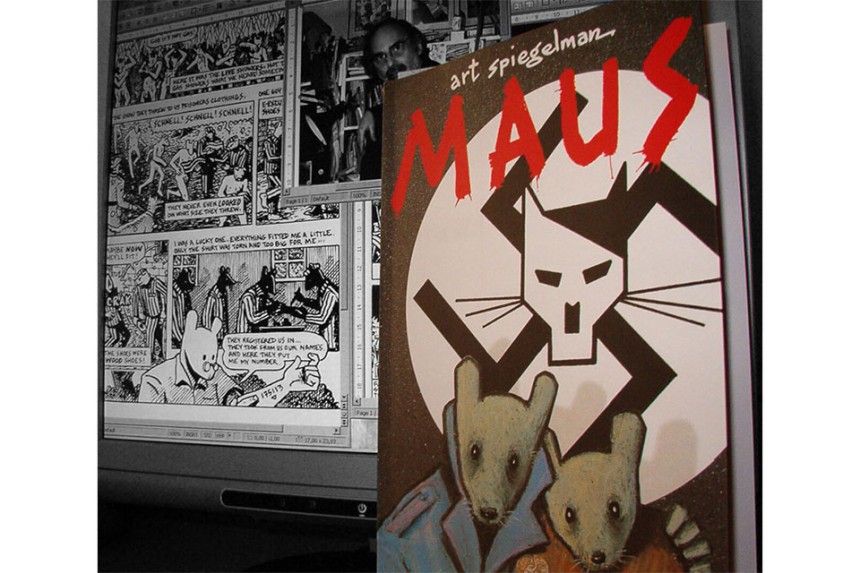
These books helped prove that graphic narratives are not limited to entertainment. They can carry history, autobiography, protest, and testimony. Their influence is visible in the growing respect now given to illustrated journalism, where the page becomes both evidence and interpretation.
Why this work stands out
What makes Bloomberg’s trAPPed especially compelling is that it brings all of these traditions together at once. It is investigative reporting, but it is also visual narrative, public-service journalism, and an act of design. The format is not just decorative; it deepens the reporting by showing coercion, isolation, and digital control in a way readers can feel.
The piece also represents a broader evolution in journalism. As audiences encounter news on screens, in feeds, and on mobile devices, the graphic form can meet them where they are while still delivering rigor and complexity. Bloomberg’s Pulitzer-winning work proves that when strong reporting meets strong illustration, the result can be both deeply informative and unforgettable.
Cited Sources
Bloomberg News, “Bloomberg News Wins 2026 Pulitzer Prize for Illustrated Reporting and Commentary.”
The Pulitzer Prizes, “Illustrated Reporting and Commentary.”
The Pulitzer Prizes, “Prize Winners and Finalists.”
Britannica, “Graphic novel | History, Genres & Impact.”
Wikipedia reference pages for background on Maus and the Pulitzer category.
Cambridge University Press article on Persepolis and global dissent.
About the Author
Nikki Lopez is a seasoned professional with over a decade of experience in the startup world, specializing in leveraging creative content and community building to empower content creators. Known for a strategic approach and a deep understanding of audience needs, Nikki has a proven track record of leading the development of engaging content strategies and guiding the growth of thriving communities. Her leadership focuses on fostering meaningful interactions and impactful journeys for both creators and their audiences.