
Catherine O’Hara’s Legacy: From Second City Waitress to Comedy Icon
Catherine O’Hara’s story is the kind every creator should know: a shy Toronto kid who started as a waitress at an improv theater and became one of the most beloved comic actors of her generation, all while quietly changing what was possible for women in comedy.
From Waitress to Mainstage: Second City Origins
O’Hara’s path didn’t begin in front of the camera; it began bussing tables at The Second City’s Toronto outpost in the early 1970s, where she worked in coat check and as a waitress. She eventually auditioned for the company and, despite being told to keep her day job, was invited into the troupe in 1974, stepping into the cast spot Gilda Radner vacated when she left for New York
That jump from “staff” to “stage” is the kind of nontraditional entry modern creators know well: she didn’t come from a conservatory or a formal program, she came from proximity, persistence, and a willingness to take a shot when the door cracked open. In the ensemble environment of Second City, she developed the improv muscle, character instincts, and writing discipline that would power everything she did afterward.
Second City: A Comedy Lab Before “Creator Economy”
Founded in Chicago in 1959, Second City was designed as a living laboratory for improv and sketch, a place where performers could test ideas in front of real audiences night after night. By the time the Toronto company opened in 1973, it was already becoming a pipeline into television and film for a new generation of comic voices.
From those small stages came a staggering list of names: Dan Aykroyd, John Belushi, John Candy, Bill Murray, Eugene Levy, Steve Carell, Stephen Colbert, Tina Fey, Keegan-Michael Key, Jordan Peele, and Amy Poehler, among others. Long before we talked about “creator ecosystems,” Second City was exactly that—a structured but playful environment where you learned by doing, bombed in public, and figured out who you were as a performer alongside other hungry people.
For Catherine O’Hara, Second City wasn’t just a credit; it was where she built a repeatable process: take a premise, heighten it, listen to your partners, and push a character until it surprises you. That loop is the same one short-form creators run through now—only the stage has shifted from a black-box theater to a vertical video frame.
SCTV and the First “Show” Era
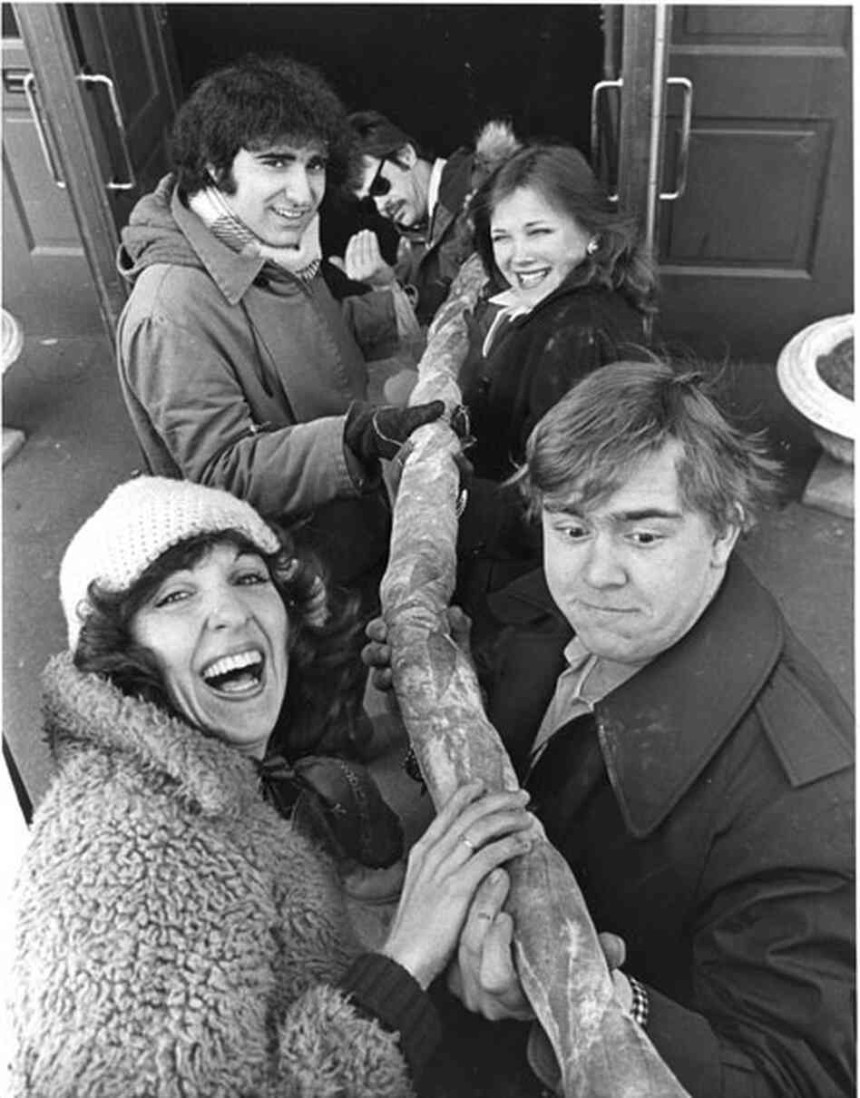
O’Hara’s Second City training rolled directly into “SCTV,” the sketch series where she became a core cast member and writer from 1976 to 1984. Working alongside John Candy, Eugene Levy, Andrea Martin, and others, she created an endless stream of characters and impressions under tight production schedules.
“SCTV” was her first real “channel”: a recurring outlet where she had to ship, iterate, and collaborate on a weekly basis. For today’s creators, the parallel is obvious—think of it as a long-running sketch playlist where the audience expects new concepts, recurring bits, and evolving personas, and where the only way to grow is to keep going.
Film Breakthroughs: Beetlejuice, Home Alone, and Cult Classics
The skills O’Hara honed in that sketch-and-improv crucible made her invaluable when she crossed into film. In Tim Burton’s “Beetlejuice,” she turned Delia Deetz,a neurotic, avant-garde stepmother. nto a visually and vocally unforgettable presence, blending horror, satire, and pathos in one performance. She continued collaborating with Burton on “The Nightmare Before Christmas” and later “Frankenweenie,” showing how long-term creative relationships can sustain a career across decades and mediums.
Her role as Kate McCallister in “Home Alone” and “Home Alone 2” cemented her in global pop culture as the frantic, fiercely loving mother desperate to get back to her son. It’s a deceptively tricky role: she had to ground a cartoonishly chaotic plot in real emotional stakes, and she did it so convincingly that those films remain holiday staples.
Add in her work in films like “After Hours,” “Wyatt Earp,” and “Penelope,” and you see a pattern: O’Hara moved fluidly between genres—dark comedy, family films, drama—without losing the specific offbeat rhythm that made her unique. For creators, that’s a reminder that “niche” doesn’t have to mean “narrow”; you can carry a consistent sensibility into wildly different formats.
The Christopher Guest Years: Improv as High Art
O’Hara became a pillar of Christopher Guest’s mockumentary films, including “Waiting for Guffman,” “Best in Show,” “A Mighty Wind,” and “For Your Consideration.” These movies were shot from outlines instead of rigid scripts, leaning on performers’ improv skills to generate dialogue and nuance in the moment.
In “A Mighty Wind,” critics have described her performance as Mickey Crabbe as a kind of “emotional tightrope act,” balancing silliness with real heartbreak. She and Eugene Levy crafted a former folk duo with a complicated shared past, and much of the magic comes from how present and unscripted their interactions feel.
For creators, the Guest films are a masterclass in long-form improv storytelling: a strong premise, deep character backstory, and a willingness to discover the best moments while the camera is rolling. It’s the same energy you see when a creator hits record with only a loose idea and trusts their instincts to carry them through.
Schitt’s Creek and the Social Era Breakout
From 2015 to 2020, O’Hara’s portrayal of Moira Rose on “Schitt’s Creek” launched her into a new cultural orbit. Moira, a former soap star with an invented accent, operatic wigs, and an endless arsenal of baroque line readings, became instantly iconic, and the show’s gradual word-of-mouth and streaming growth mirrored the way creator projects often snowball online.
The role finally earned her an Emmy for Outstanding Lead Actress in a Comedy Series, along with a Golden Globe and Screen Actors Guild Award, decades into her career. Importantly for a creator-focused lens, Moira became a social media phenomenon: clips of her monologues, outfits, and one-liners were chopped into GIFs, TikToks, and memes, introducing O’Hara to younger audiences who’d never seen SCTV or Beetlejuice.
This is a powerful example of how back catalog and new work can collide in the social era: one role in a streaming-era show can retroactively send viewers back through an entire career’s worth of performances. For creators, it suggests that nothing you make is ever truly “over”; the right breakout can shine light on everything that came before.
Second City, Groundlings, UCB: Offline Versions of Creator Communities
O’Hara’s story is deeply tied to Second City, but she’s part of a broader improv and sketch network that prefigured the creator economy.
- The Groundlings in Los Angeles, founded in 1974, developed a pipeline of character-based comedians like Will Ferrell and Kristen Wiig, using a workshop-to-stage model not unlike iterating drafts with your audience.
- ImprovOlympic (iO) pushed long-form improv and the “yes, and” philosophy, emphasizing ensemble listening and shared creation.
- Upright Citizens Brigade (UCB), launched in the late 1990s, became a bicoastal training ground for performers like Donald Glover and Amy Poehler, who then crossed into TV, film, and streaming.
These institutions did for analog comedy what platforms and communities do for digital creators now: they offered shared standards, mentorship, and a space where experimentation was expected. O’Hara’s journey through that ecosystem shows how powerful it is to have a “home base” for your craft, even if today that home is partly virtual.
From Improv Stage to For You Page
Today, the proving ground for many comedians is their phone screen. Comedy has shifted from multi-minute sketches on early YouTube to ultra-tight bits on TikTok, Reels, and Shorts, shaped by algorithms that reward strong hooks, repetition, and quick creative turnover.
But under the hood, the best digital comedy is still built on improv fundamentals that O’Hara embodied: listening, heightening, and committing fully to a character. Many of the creators who graduate to TV and film now effectively use social platforms as their SCTV—a place to test formats, launch recurring characters, and build audiences long before a network calls.
For both male and female creators, O’Hara’s path bridges these worlds. She came up in a time when you needed a physical theater to access a creative community; now community can be global and instant, but the craft is the same
Why Catherine O’Hara’s Path Still Inspires Creators
Catherine O’Hara’s trajectory looks, in hindsight, like an ideal creator roadmap:
- A grassroots training ground (Second City) where she built improv and writing chops in public.
- A first “show” era (SCTV) that taught her to deliver consistent characters inside a collaborative framework.
- Breakout mainstream roles (Beetlejuice, Home Alone) proved she could bring her offbeat sensibility to global audiences.
- Experimental, craft-driven projects (the Christopher Guest films) that deepened her range.
- A late-career flagship series (Schitt’s Creek) perfectly tuned to the meme and streaming era.
Her story is especially resonant as a woman who navigated male-dominated comedy spaces without shrinking her voice, helping pave the way for later generations of female-led comedy from stages to streaming. For every creator, regardless of gender, her legacy is a reminder that you don’t have to arrive fully formed; you just have to keep showing up, keep experimenting, and trust that the right combination of community, craft, and opportunity can carry your work further than you imagine.
Works Cited
Second City biographical note on Catherine O’Hara and her Toronto roots.
Coverage of O’Hara’s lasting connection to Second City Toronto.
Second City alumni lists highlighting John Candy, Eugene Levy, Tina Fey, and others.
Entertainment features tracing O’Hara’s path from SCTV to film roles and later TV work.
IMDb overview of O’Hara’s filmography, including Tim Burton and Christopher Guest collaborations.
About the Author
Nikki Lopez is a seasoned professional with over a decade of experience in the startup world, specializing in leveraging creative content and community building to empower content creators. Known for a strategic approach and a deep understanding of audience needs, Nikki has a proven track record of leading the development of engaging content strategies and guiding the growth of thriving communities. Her leadership focuses on fostering meaningful interactions and impactful journeys for both creators and their audiences.


Living on the Edge: A Content Creator's Guide to Dodging the Ban Hamme...