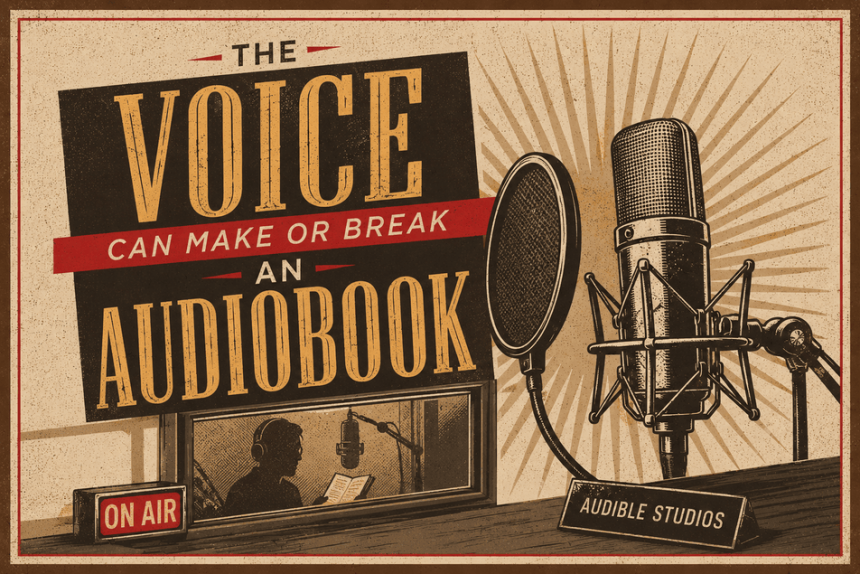

The Voice Can Make or Break an Audiobook
Audiobooks are not just “books read aloud.” They are performances. And like any performance, the voice can elevate a story into something unforgettable or sink it into a trainwreck listeners remember for all the wrong reasons.
For listeners, the narrator is the lens through which the story is experienced. For authors and publishers, that same voice can determine whether a book becomes a beloved audio hit, or a cautionary tale.
When the Right Voice Revives a Classic
Some books are already famous. A great narrator can make them feel brand new.
The Alchemist by Paulo Coelho is a good example. It’s a global bestseller, but Jeremy Irons’s narration is widely praised for giving the story a fresh gravity and charm. Reviews describe his performance as “crystal clear,” “unforgettable,” and perfectly matched to the book’s spiritual tone. His voice doesn’t just read the text; it seems to inhabit it, turning a familiar story into a lived experience.
Then there are cases where the narrator is the book’s soul. Anthony Bourdain reading his own memoir, Kitchen Confidential, is a standout.
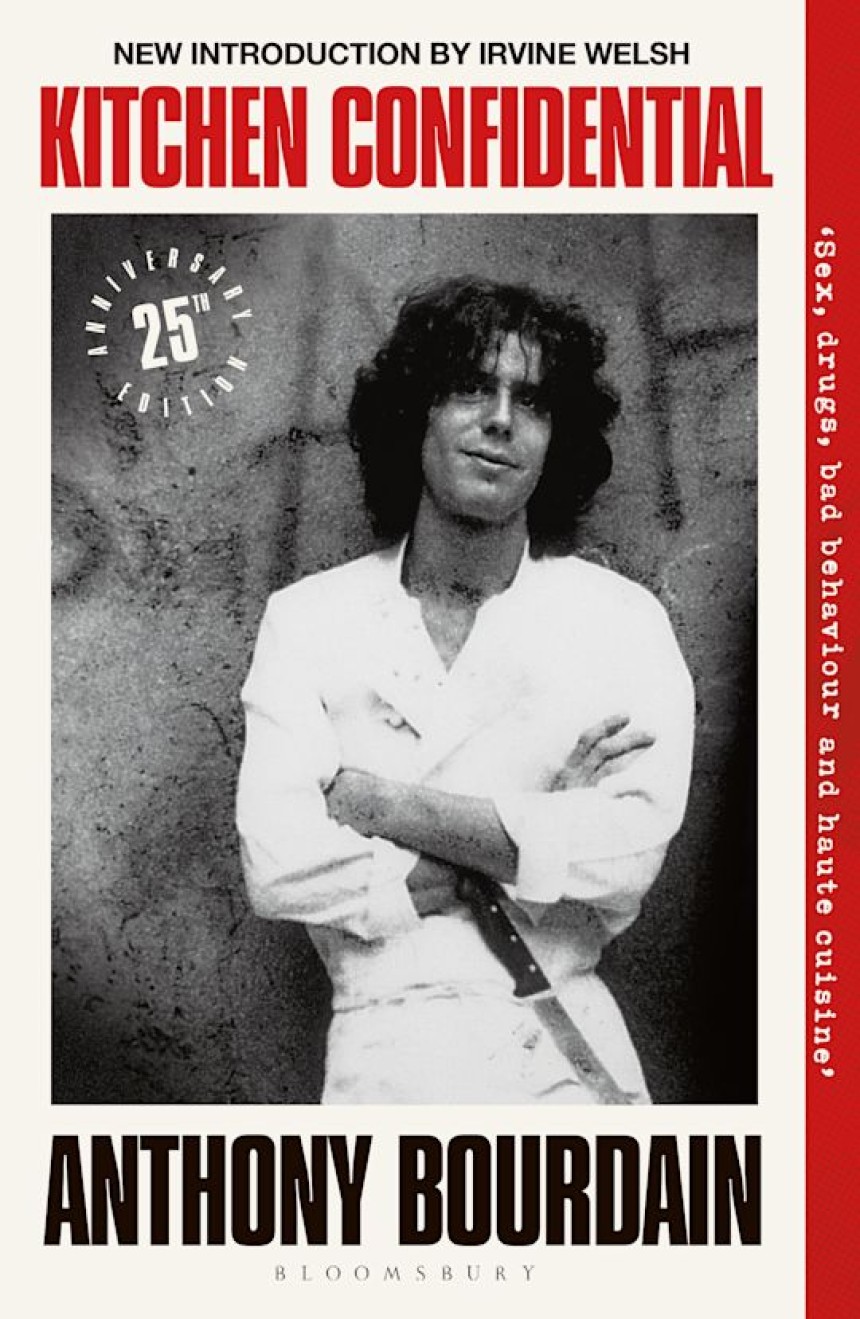
His cadence, his humor, his pauses—these are inseparable from the personality people fell in love with on TV. Listening to him isn’t just consuming a book; it is spending time with him in a uniquely intimate way that his shows could not fully replicate.
For listeners, these are the gold standard: books where the narration feels like part of the story’s DNA.
From Radio Drama to Full‑Cast Productions
Audiobooks have also evolved into something closer to cinematic audio drama.
Full‑cast, highly produced titles like Project Hail Mary, Fourth Wing, and Daisy Jones & The Six show how multiple voices, music, and sound design can turn a book into a “movie for your ears.” This style is a continuation of the radio tradition made famous by War of the Worlds, which once convinced listeners that Earth was under attack. Today, high‑budget podcasts like The Bright Sessions and Homecoming carry that legacy forward, and audiobooks are clearly being shaped by those expectations
True audio quality can be as engrossing as a good film.
But it can also work the other way.
Bad Narration: Forgettable… or Unforgettably Awful
Mediocre narration often just fades away. You forget the book, or you forget you ever finished it. But bad narration doesn’t always vanish—it can become memorable in the worst possible sense.
There are three common failure modes:
- Flat delivery. Every sentence at the same pitch and pace. The audio becomes background noise and the story never really lands.audiobookpicks+1
- Over‑performance. Character voices become parodies. Accents sound cartoonish, emotions feel forced, and the narrator draws attention to themselves instead of the story.audiobookpicks+1
- Mismatched tone. A warm, cozy voice on a tense thriller; a deadpan reader on emotional literary fiction. Narrator and author seem to interpret the book differently, creating dissonance.audiobookpicks+1
When these issues hit hard, they don’t just make a book forgettable. They make it notorious in your personal library.
Take Daughter of Smoke and Bone as an example. The series is popular, and the fantasy premise works for many readers. But in audio, the accents and voices can feel exaggerated—almost like a cartoon version of a Russian spy from The Bullwinkle Show
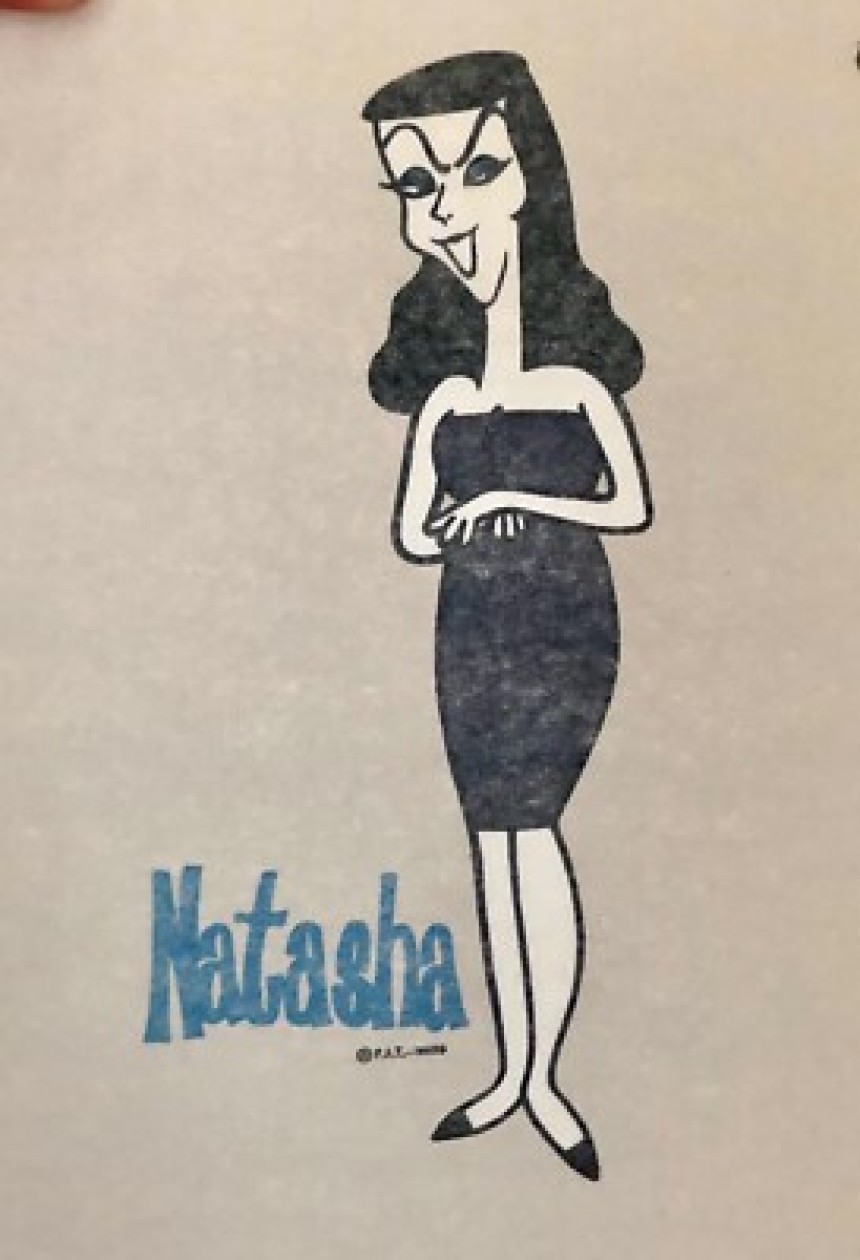
instead of immersive and believable. For some listeners, that mismatch is so distracting that they have to stop listening entirely, even if they like the writing. The book becomes memorable not for its world or characters, but for how grating the audio was.
That’s the key point: a bad audiobook doesn’t just fail to add value; it can actively damage how a story is perceived.
When Listeners Rebel: Re‑Recorded and Replaced Narrations
Sometimes the problem is so widespread that publishers have to act.
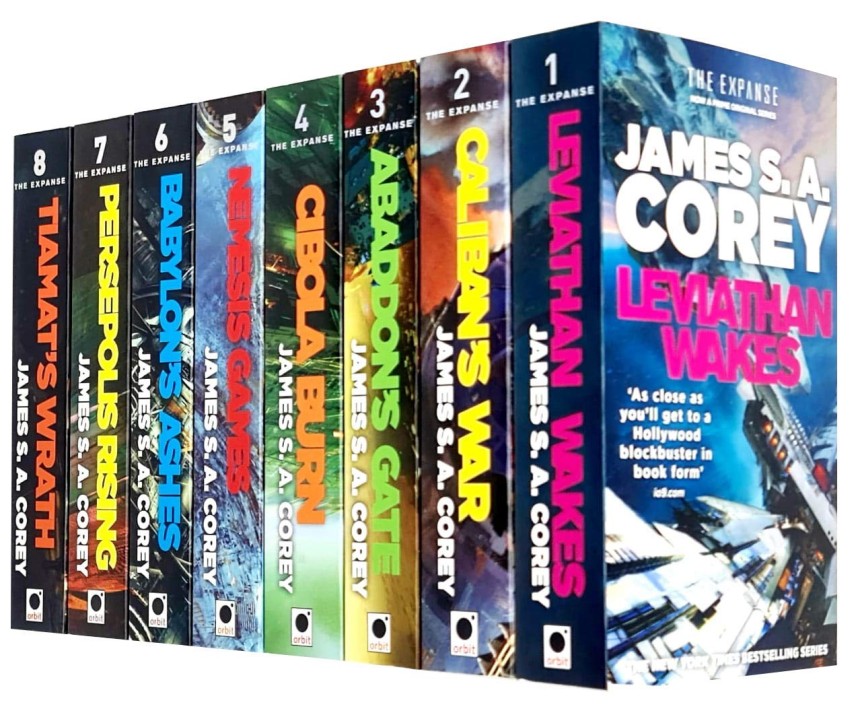
In The Expanse novellas, the original narration drew enough complaints that the publisher re‑recorded them with a different, more popular narrator (Jefferson Mays) to salvage the series’ audio reputation. Similarly, Brandon Sanderson’s backlist has seen updated and re‑recorded editions, with new narrators and revised pronunciations, in part to align better with listener expectations and the author’s vision.
There are countless forum threads from audiobook fans who refuse to continue a series once the narrator changes, or who feel betrayed when a beloved voice is replaced mid‑run. For many, the narrator is the character. Changing that voice feels less like a new interpretation and more like losing the person you knew.
What This Means for Creators
If you’re an author, indie publisher, or rights holder, the lesson is blunt: do not treat audiobooks as a checkbox.
- A rushed production, a mismatched narrator, or a low‑quality AI voice can do lasting damage to how your book is received.
- First impressions matter. Listeners often decide within minutes whether to keep going. If the voice feels lifeless, the delivery unconvincing, or the audio quality poor, they will abandon the story—and possibly your other books too.lauragreavesnarration
- Hiring a professional narrator isn’t just about “reading clearly.” It’s about interpreting tone, pacing scenes, distinguishing characters without becoming cartoonish, and matching the emotional arc of your work.audiobookpicks+2
If you have the opportunity to make an audiobook, be selective. Ask for samples. Listen to how potential narrators handle dialogue, tension, and quiet moments. If you can, insist on having a say in casting. A strong narrator can give your book a real advantage; a weak one can negate it.
And regarding AI voices: they may be fine for drafts or internal use, but for a public release, they are a high‑risk choice. Unless the execution is exceptional, they often sound detached, inconsistent, or uncanny—exactly the kind of qualities that make listeners click away.
What This Means for Readers and Listeners
For listeners, the takeaway is just as important: you are choosing a performance, not just a story.
- Always sample the first chapter before buying or borrowing. Ask yourself: Can I distinguish the voices? Is the pace comfortable? Does this narrator seem to understand what the book is trying to do?audiobookpicks+1
- Check reviews specifically for comments on narration. Even for classics or bestsellers, listeners will often say whether the audio is great, forgettable, or actively bad.vergemagazine.co
- Be aware that full‑cast and highly produced audiobooks can be phenomenal when done well, but jarring when the different performers don’t match in tone or energy.
Choosing carefully can mean the difference between a deeply engaging experience and a book you can’t finish
The Bottom Line
Audiobooks sit at the intersection of literature and performance. At their best, they are as immersive as a great film and can even deepen our connection to a story and its author. At their worst, they are forgettable—or worse, unforgettable for being awful.
For creators: don’t waste your book on a bad audio version. If you have the chance, be selective, push for quality, and treat narration as a core creative decision, not an afterthought.
For listeners: treat narration as a feature, not a footnote. The right voice can revive a classic, transform a good story into a great one, and create memories that last long after the credits roll.
About the author
Nikki Lopez is a seasoned professional with over a decade of experience in the startup world, specializing in leveraging creative content and community building to empower content creators. Known for a strategic approach and a deep understanding of audience needs, Nikki has a proven track record of leading the development of engaging content strategies and guiding the growth of thriving communities. Her leadership focuses on fostering meaningful interactions and impactful journeys for both creators and their audiences.