
Self-Publishing in 2026
The Playbook Authors Wish They Had Sooner
10 Tips Every Author Needs
Let’s be honest: self-publishing has never been easier… and never been more overwhelming.
In 2026, anyone can upload a manuscript to Amazon Kindle Direct Publishing, format it with AI tools, and hit publish in a day. The barrier to entry? Basically gone.
The challenge? Standing out.
Because while thousands of books are published every single day, only a fraction actually find readers.
That’s the shift. Self-publishing isn’t just about writing anymore; it’s about thinking like a creator, a brand, and yes, a little bit like a marketer too.
So if you’re ready to do this right, here’s the playbook.
1. Treat Your Book Like a Product (Because It Is)
The biggest mindset shift in 2026?
Your book isn’t just art, it’s also a product.
That doesn’t make it less meaningful. It makes it visible.
Before you publish, ask:
- Who is this for?
- What emotional payoff are they getting?
- Where are those readers already hanging out?
If you can’t answer those clearly, your audience won’t either.
2. Build Your Audience Before You Publish
Gone are the days of “publish it and they will come.”
Now it’s:
build it → share it → THEN publish it.
Platforms like TikTok (#BookTok is still running the game) and Instagram are where readers discover new authors daily.
What works:
- Behind-the-scenes writing clips
- Character aesthetics & moodboards
- “POV: you just read chapter 12” style hooks
- Snippets that hurt (yes, emotional damage sells)
Think of your content as breadcrumbs leading to your book.
3. Don’t DIY Everything (Seriously)
One of the biggest myths?
That self-publishing means doing it all alone.
It doesn’t. And honestly, you shouldn’t.
In 2026, readers expect quality that rivals traditional publishing.
That means:
- Professional editing
- Strong cover design
- Clean formatting
Or as Janica Smith, Owner of Publishing Smith, says:
“Self-published doesn’t mean DIY publishing.”
Treat yourself like a publishing house. Because you are one now.
4. Your Cover Isn’t Decoration (It’s Marketing)
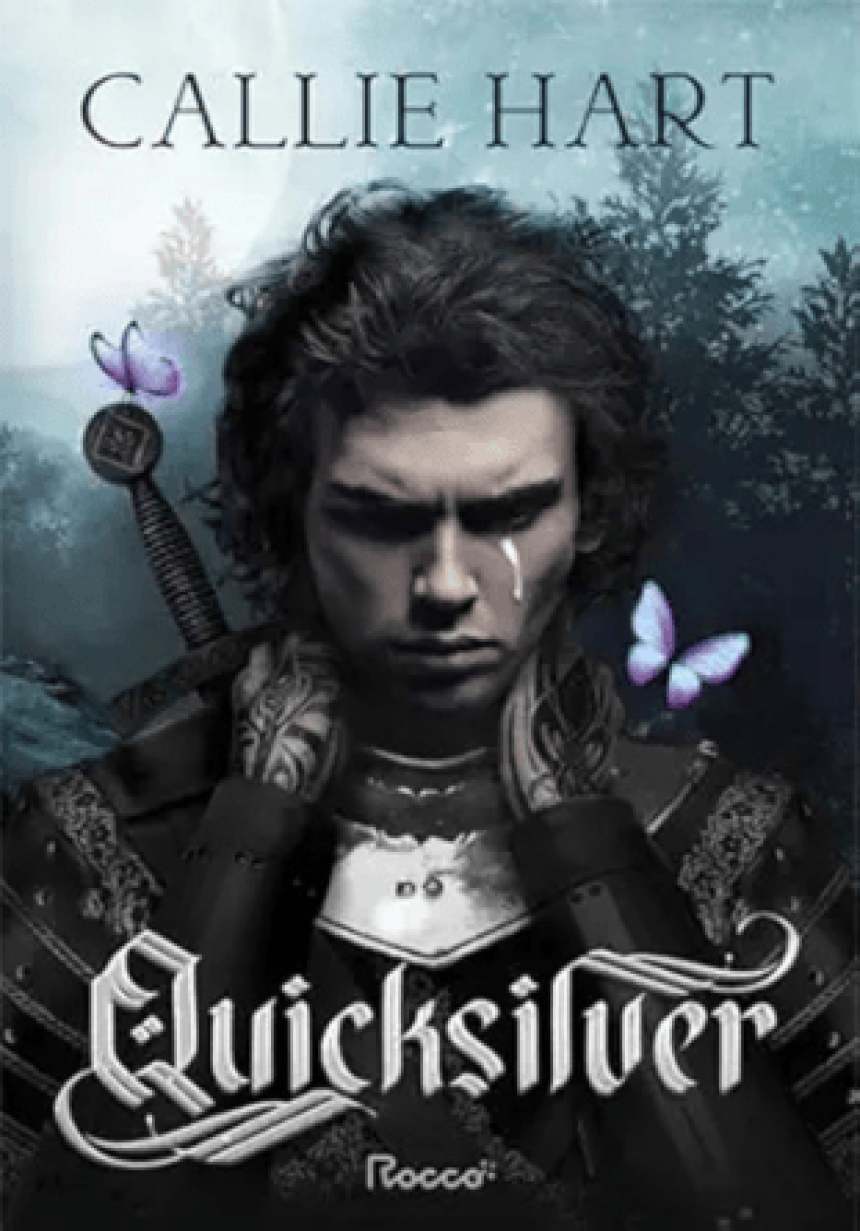
If Quicksilver had not gone viral on BookTok, I never would have picked it up.
Why?
I hated the cover.
Plain and simple.
People absolutely judge books by their covers.
Especially online, where your cover shows up as a tiny thumbnail.
What works right now:
- Bold, high-contrast typography
- Clear genre signals (romantasy readers KNOW their covers)
- Clean, scroll-stopping visuals
If your cover doesn’t instantly communicate what kind of book this is, you’re losing readers before they even click.
5. Lean Into Trends (But Don’t Chase Them Blindly)
Yes, trends matter. A lot.
Just look at the romantasy boom driven by authors like Sarah J. Maas and Rebecca Yarros; entire careers have been built on tapping into what readers are craving right now.
But here’s the key:
- Align with trends, don’t abandon your voice for them
Readers can tell when something is written for the algorithm instead of for them.
6. Reviews Are Your Currency
In self-publishing, reviews = visibility.
The algorithm on platforms like Amazon prioritizes books that:
- Get early reviews
- Maintain consistent engagement
- Convert clicks into purchases
Start building a review team before launch:
- ARC readers (Advance Review Copies)
- Street teams
- Newsletter subscribers
Launch week momentum matters more than you think.
7. Series Sell. Standalones… Sometimes Do.
If you’re thinking long-term, write a series.
Why?
Because one book sells the next.
I just pre-ordered an untitled Rebecca Yarros book simply because it is attached to the Emperyean series, even though it clearly states it is not book four.
But I have to have it.
Readers who fall in love with your world don’t want to leave it; they want more of it.
Even loosely connected books (same universe, different characters) can keep readers coming back.
8. Use AI as a Tool (Not a Shortcut)
AI is everywhere in 2026, and yes, it can help.
Writers are using it for:
- Brainstorming
- Outlining
- Marketing copy
But here’s the line:
AI can assist your voice. It can’t replace it.
Readers are still here for you, your storytelling, your perspective, your emotional depth.
That’s the part that can’t be automated.
There are no shortcuts for authenticity.
9. Own Your Platform (This Is Where Most Authors Miss)
Here’s the part no one tells you early enough:
If all your audience lives on social media, you don’t actually own your audience.
That’s where platforms like Wallafan come in.
Instead of scattering your work across platforms, you can:
- Build a central hub for your content
- Offer exclusive chapters or bonus scenes
- Create membership tiers for superfans
- Sell directly to your audience
It’s the difference between renting attention… and owning it.
10. Consistency Beats Perfection Every Time
The authors winning right now aren’t always the most “perfect.”
They’re the most consistent.
They:
- Show up regularly
- Engage with their audience
- Keep publishing
Because in 2026, visibility compounds.
One post turns into ten.
One reader turns into a community.
One book turns into a career.
The Bottom Line
Self-publishing in 2026 isn’t just about getting your book out there.
It’s about building something bigger around it.
A brand.
A community.
A space readers want to return to.
And the authors who understand that?
They’re not just publishing books.
They’re building worlds people never want to leave.
Ready to Build Yours?
If you’re serious about turning your writing into something sustainable, start thinking beyond the book.
Start thinking like a creator.
And when you’re ready to bring everything, your stories, your audience, your income, into one place…
Wallafan is built for exactly that.
Author Bio
Ashley is a busy wife and mother who can often be found listening to an audiobook while driving the mom taxi in a desperate attempt to cling to her sanity through the joy of escapism. Her love of reading inspired her to return to school, and she is currently finishing her bachelor’s degree in creative writing at Southern New Hampshire University. Being a mother does not mean you have to give up your dreams; her story is still being written.