
Icing, Influence, and Internet Justice: Cake Pop Gate and the Internet’s Favorite Scandal Formula
The internet did not invent scandal, but it has perfected its branding. At this point, you can almost set your watch to it: a controversy erupts, sides form, receipts surface, and within hours it earns the inevitable “-gate” suffix. Watergate happened over 50 years ago, and somehow we are still naming internet drama after it like it just dropped last week.
“Cake Pop Gate” feels like a sequel to the 2023 sprinkles controversy—a reminder that even the baking side of the internet is not immune to repeat storylines.
What makes this one notable is not just the dispute itself, but how predictably it unfolded. What began as a niche disagreement over cake recipes quickly escalated into a full-scale backlash, illustrating how online audiences now act as both jury and enforcement. It has become a familiar cycle, one that rewards attention but rarely controls where it ultimately lands.
At the center is @cakebykaity, whose decision to publish a smear-style video targeting @sweettrysbyashley lit the fuse. The original video that sparked the response was relatively harmless, a mix of tutorial and inspiration. Kaity’s reaction reframed it as theft, and that escalation, not the recipe itself, is what drew widespread scrutiny.
The Recipe Problem: What Cannot Be Owned
One of the key issues driving the backlash is a simple legal reality: recipes generally cannot be copyrighted. While a cookbook’s wording or branding can be protected, ingredient lists and basic methods are considered functional knowledge. This is widely understood, even if it is sometimes ignored in the heat of online disputes.
There are well-known parallels. Coca-Cola’s formula is famously locked away in a vault, not because it is copyrighted, but because trade secret protection is the only viable option. Pepsi has long produced a comparable product without legal conflict over recipe ownership. The lesson is straightforward: if something can be easily replicated, it is rarely something you can claim as exclusively yours.
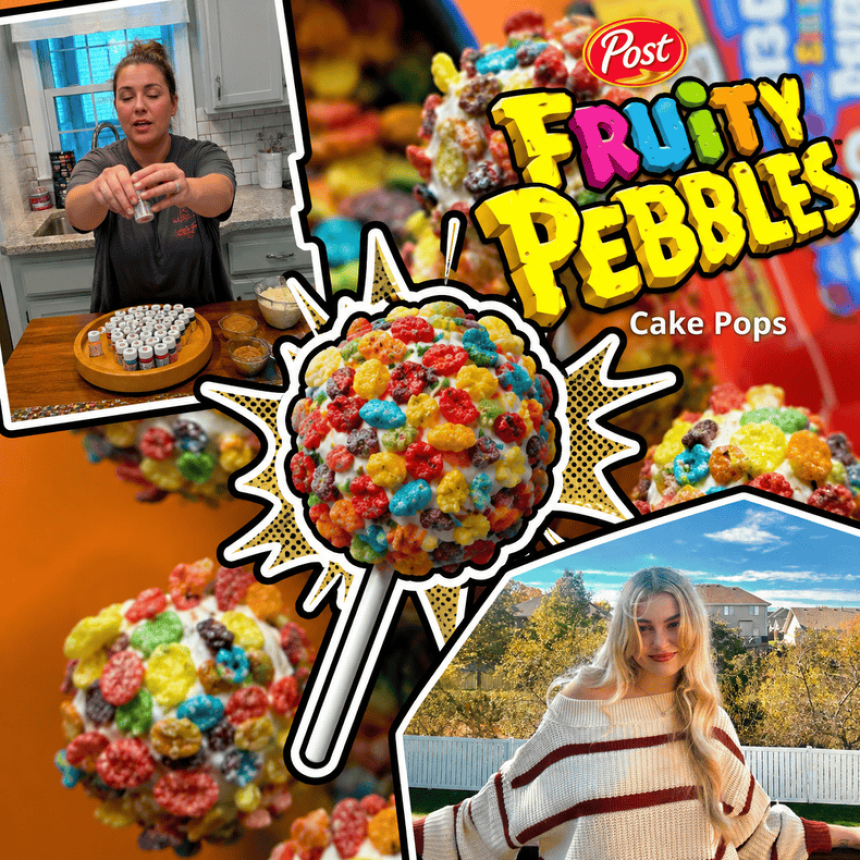
That context makes the outrage over a cake recipe feel misplaced, especially when another detail enters the picture. The “Fruity Pebbles cake” recipe at the center of the dispute has been publicly shared by the cereal’s parent company, making claims of originality even harder to sustain.
The Rise of Watchdog Culture
What turned this into a full scandal is the ecosystem surrounding it. Entire accounts now exist solely to document and expose questionable influencer behavior. Across TikTok, Instagram, and YouTube, these creators build followings by tracking patterns of plagiarism, misleading claims, and public callouts.
Some break down controversies in real time. Others archive deleted posts or highlight inconsistencies. Many focus on amplifying smaller creators who may have been overshadowed or targeted by larger influencers.
This layer of the internet acts as both an amplifier and a corrective force. While it can sometimes tip into pile-ons, it also ensures that narratives do not go unchallenged. In Cake Pop Gate, this network played a major role in shifting attention away from the accusation and toward the accuser
When the Internet Sides with the Underdog
A consistent pattern in these situations is where public sympathy lands. Audiences increasingly rally behind smaller creators or businesses perceived as being unfairly targeted. In this case, much of that support flowed toward @sweettrysbyashley, with users openly backing her and pushing attention toward her work as the situation unfolded.
There is a growing expectation that influencers, especially those with large platforms, should act carefully when making accusations. When they do not, the backlash tends to be swift.
Social media is no longer just a stage. It functions as a kind of self-regulating environment where competing narratives play out until a consensus forms. It is messy, imperfect, and sometimes harsh, but it often ends up correcting itself in real time.
The Hallmarks of a Coming Downfall
Not every influencer ends up in a controversy like this, but certain patterns tend to show up beforehand.
Creators who publicly call out others without strong evidence often invite scrutiny. Those who position themselves as the sole originator in a space built on shared ideas create unrealistic claims. Defensive or aggressive responses to minor criticism tend to escalate rather than resolve issues. And underestimating how quickly audiences fact-check claims is a recurring mistake.
These behaviors create a fragile dynamic where one misstep can trigger widespread backlash.
A Case of Reaping What You Post
Whether @cakebykaity deserves the backlash depends on perspective, but the sequence of events suggests a degree of self-infliction. By escalating a relatively minor issue into a public accusation, she invited the same scrutiny she directed outward. Once that attention turned back on her, the cracks became visible.
This is less about punishment and more about consequence. Social media runs on visibility, and that visibility cuts both ways.
The Real Lesson of Cake Pop Gate
If there is a takeaway, it is a simple one. Attacking others online rarely ends cleanly.
When you drag someone into the mud, you are just as likely to get dirty yourself. Or in this case, if you throw icing, expect it to land back on you.
In an environment built on judgment, the margin for error is thin and the audience is always watching. The safest strategy is not domination but integrity. Create, share, and compete without turning every similarity into a scandal.
Because in today’s internet economy, reputation is as fragile as a cake, and much harder to rebuild once it collapses.
About the Author
Nikki Lopez is a seasoned professional with over a decade of experience in the startup world, specializing in leveraging creative content and community building to empower content creators. Known for a strategic approach and a deep understanding of audience needs, Nikki has a proven track record of leading the development of engaging content strategies and guiding the growth of thriving communities. Her leadership focuses on fostering meaningful interactions and impactful journeys for both creators and their audiences.