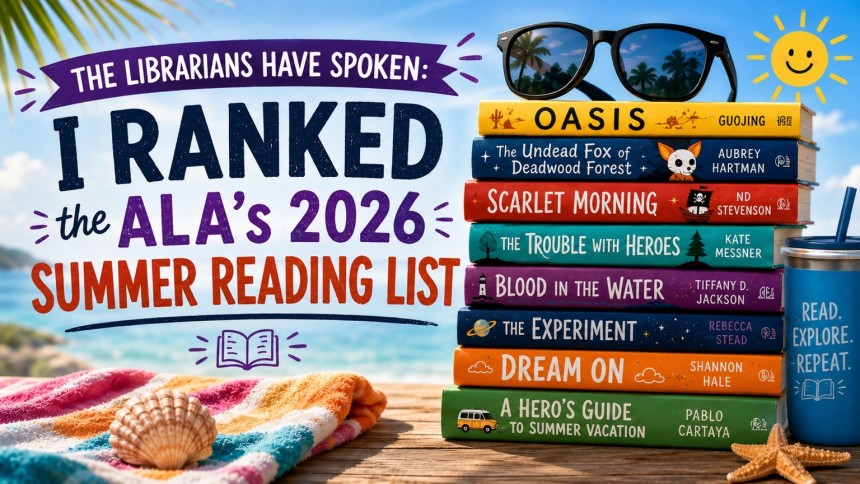

The Librarians Have Spoken: I Ranked the Best Books on the ALA’s 2026 Summer Reading List
Every summer, parents everywhere embark on the same noble mission:
Convince our children to read something that isn’t a text message, YouTube comment or Roblox chat.
Fortunately, the librarians have arrived.
The Association for Library Service to Children—a division of the American Library Association—released its 2026 Summer Reading Lists, featuring recommendations from birth through eighth grade designed to keep kids reading and exploring while school’s out.
And these aren’t the dusty classics you may remember dragging yourself through before the first day of school.
There are pirates.
Murder mysteries.
Aliens.
Graphic novels.
An undead fox.
Honestly, where were these librarians when we were kids?
For this ranking, I’m concentrating on 15 standouts from the Grades 3–5 and Grades 6–8 lists and judging them using my own extremely scientific criteria:
Will kids actually want to read it? Does it feel like summer instead of homework? And would I be tempted to steal it from my kid when they’re finished?
Obviously, reading is wildly subjective. A book near the bottom of this ranking might be exactly the book that turns your kid into a reader.
But where’s the fun in a list if we don’t rank it?
So, with apologies to the professional librarians who actually know what they’re doing, here we go.
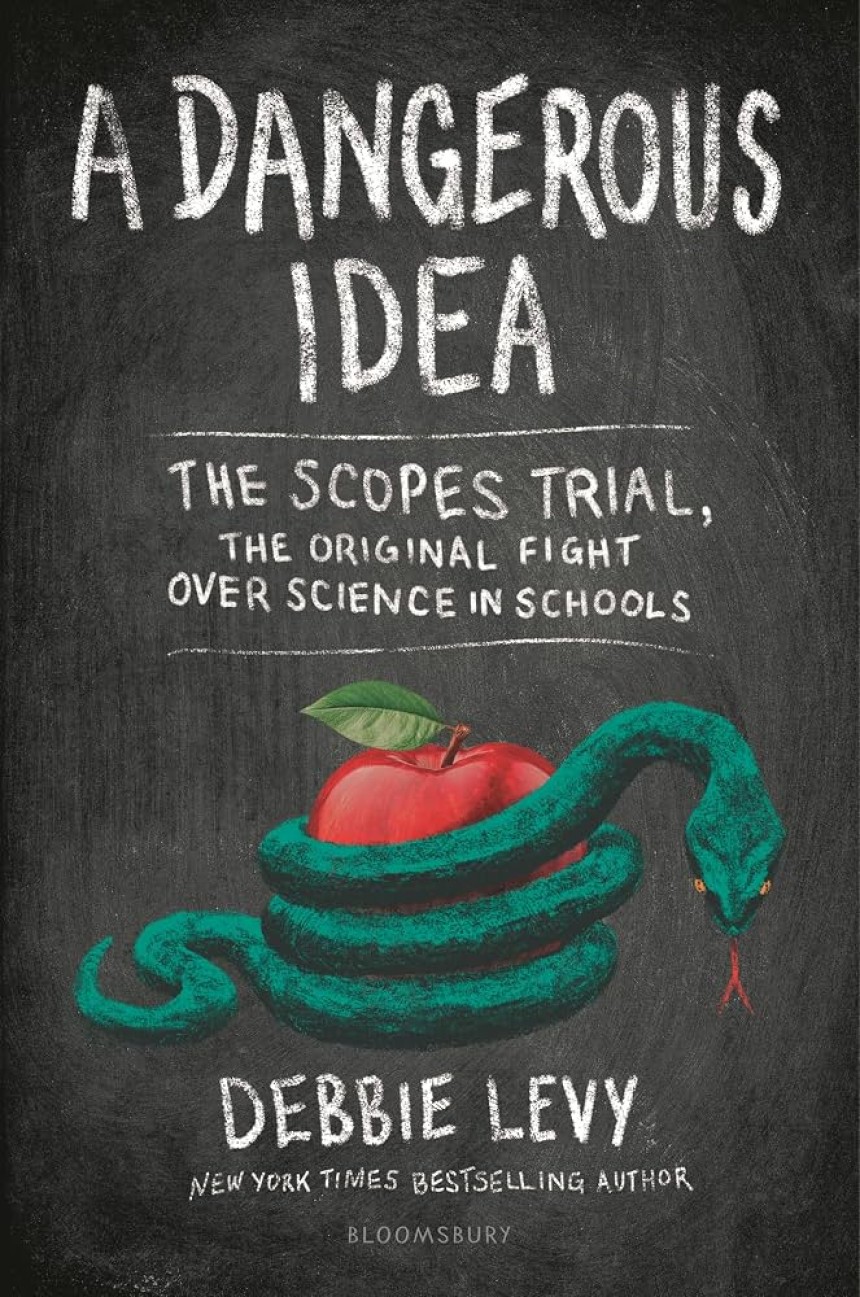
15. A Dangerous Idea: The Scopes Trial, the Original Fight Over Science in Schools — Debbie Levy
Kid Appeal: ⭐⭐⭐
Parent Verdict: Important? Absolutely. Screams “SUMMER!”? Maybe not.
This nonfiction pick takes middle-grade readers back to 1925, when Tennessee banned teaching evolution and teacher John Scopes became the center of one of America’s most famous battles over what belongs in the classroom.
The subject is surprisingly relevant a century later, and there’s plenty here for the kid who genuinely loves history, politics or science.
But if we’re ranking books based partly on which one I’d hand a reluctant reader beside the pool?
I’m probably not starting with the Scopes Trial.
Best for: The kid who watches documentaries voluntarily.
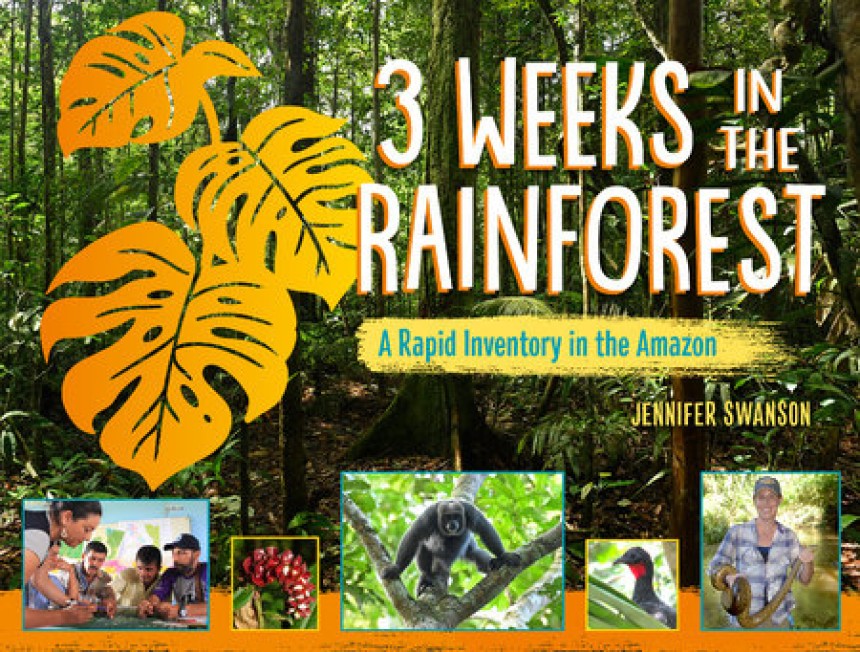
14. 3 Weeks in the Rainforest — Jennifer Swanson
Kid Appeal: ⭐⭐⭐½
Parent Verdict: Sneaky science for the win.
This photographic nonfiction book follows a Field Museum team into the Amazon on a “rapid inventory,” basically turning real-life scientific fieldwork into an adventure.
And that’s exactly why I like it.
Instead of telling kids about biodiversity from behind a desk, we’re following actual scientists into the rainforest.
Best for: Nature kids, animal kids and the child who has personally relocated every lizard they have ever found in your backyard.
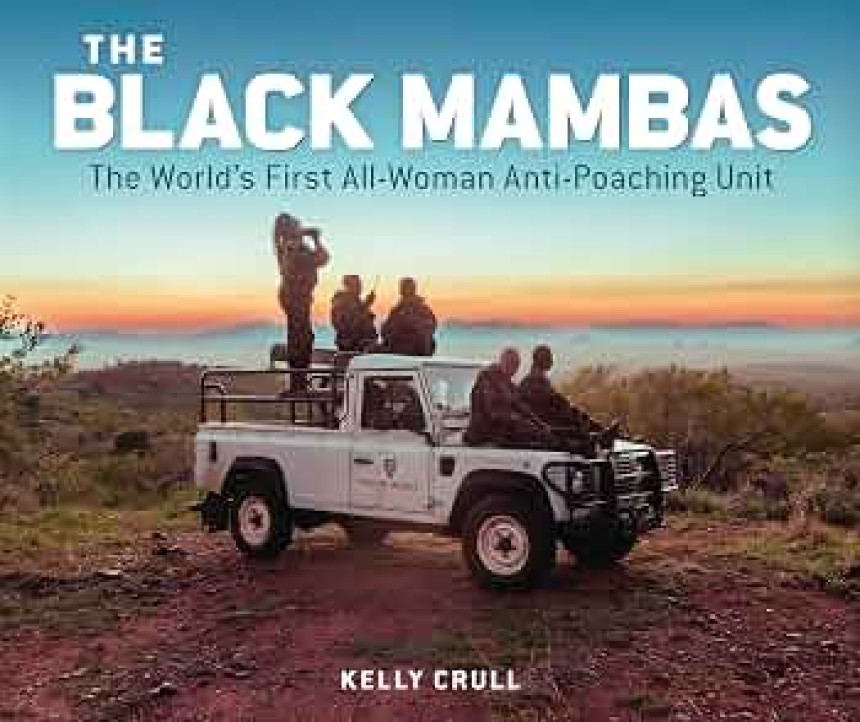
13. The Black Mambas — Kelly Crull
Kid Appeal: ⭐⭐⭐½
Parent Verdict: Your kid is about to meet some seriously cool women.
The Black Mambas are the world’s first all-woman anti-poaching unit, protecting endangered wildlife including rhinos and pangolins in South Africa.
That’s already an incredible hook.
Add a highly visual format and the fact that these are real women doing genuinely extraordinary work, and suddenly nonfiction doesn’t feel much like an assignment.
This is the kind of educational book I want on a summer reading list.
Best for: Animal lovers and budding activists.
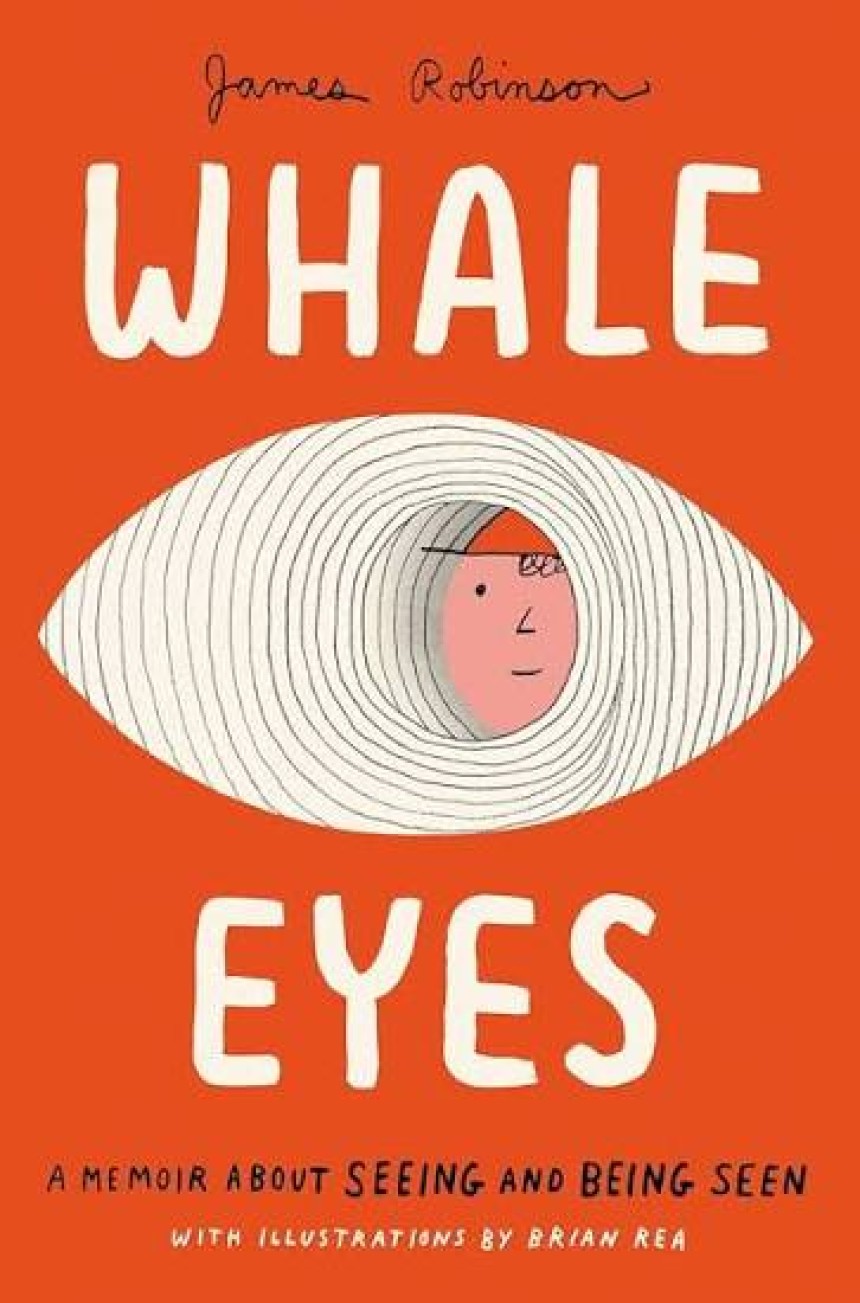
12. Whale Eyes: A Memoir About Seeing and Being Seen — James Robinson
Kid Appeal: ⭐⭐⭐½
Parent Verdict: One of the most inventive books on the entire list.
James Robinson grew up with a visual disability that causes his eyes to point in different directions. Rather than simply telling readers what that experience was like, Whale Eyes uses unusual formatting and interactive visuals to actually invite them into his perspective.
That alone makes this one worth talking about.
It’s a book about disability, difference and the way we perceive one another—but it’s also about something almost every middle schooler understands:
Wanting to be seen as a whole person rather than the thing that makes you different.
Best for: Thoughtful older readers who like books that experiment with how stories are told.
11. A Hero’s Guide to Summer Vacation — Pablo Cartaya
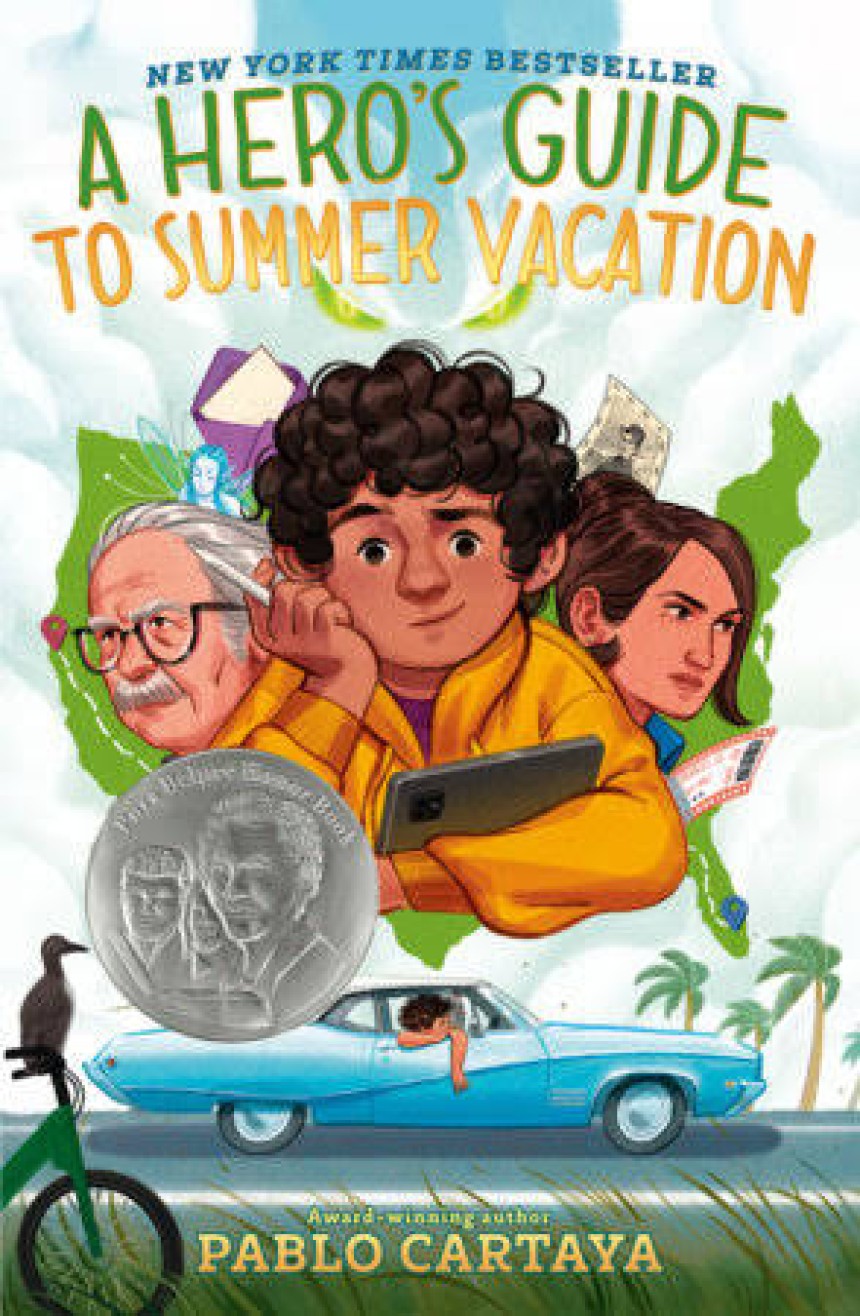
Kid Appeal: ⭐⭐⭐⭐
Summer Energy: ☀️☀️☀️☀️☀️
Parent Verdict: The title understood the assignment.
Recently grieving Gonzalo gets sent off with a grandfather he barely knows—who also happens to be a famous fantasy author—and the two embark on a cross-country road trip.
Family tension? Check.
Road trip? Check.
Fantasy-author grandfather? Check.
Actual summer vacation?
CHECK.
The story deals with grief and family while still giving readers a genuine adventure, which is exactly the balance I want from a summer book.
Best for: Kids who want some heart mixed into their adventure.
10. Chickenpox — Remy Lai
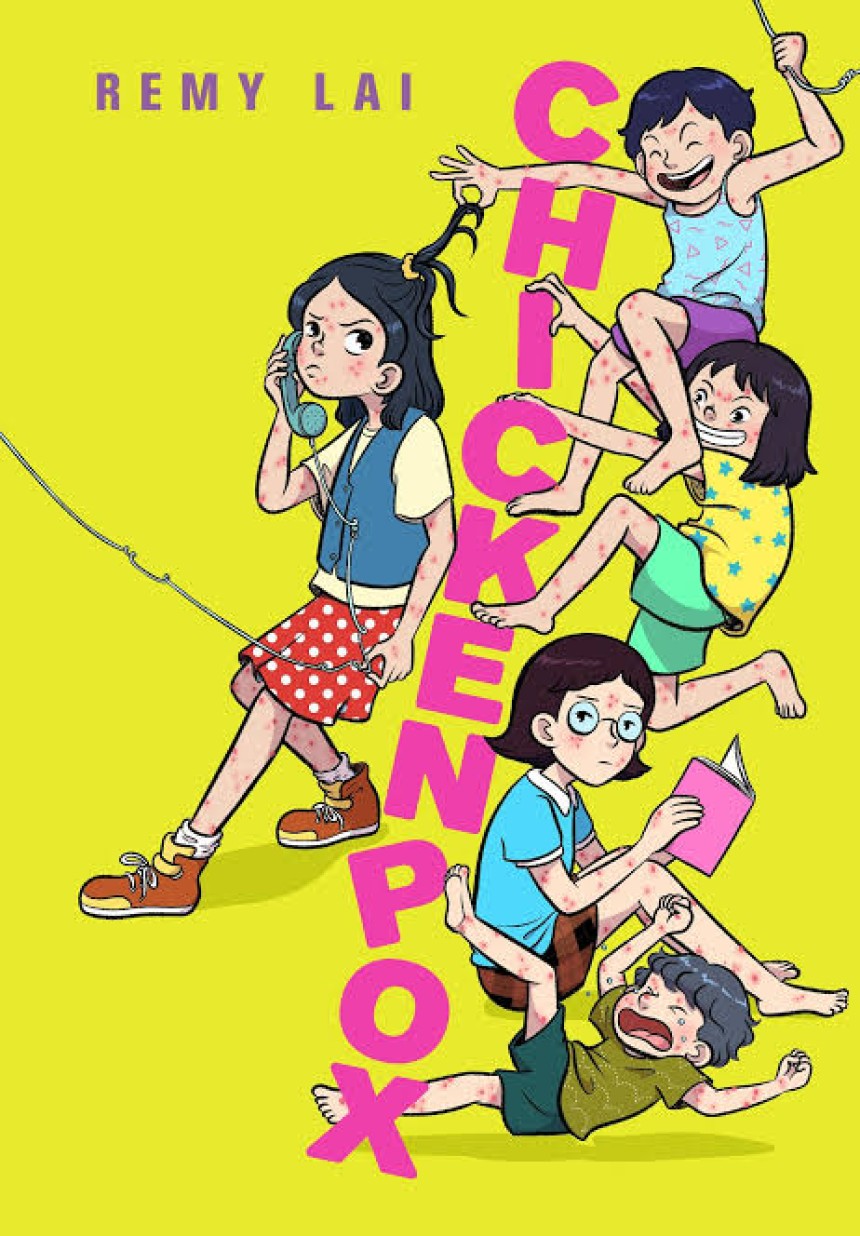
Kid Appeal: ⭐⭐⭐⭐
Parent Verdict: Sibling chaos, but make it a graphic novel.
It’s 1994. Twelve-year-old Abby gets chickenpox.
Then her siblings get chickenpox.
And now they’re all stuck together.
Parents everywhere just shuddered.
The premise alone makes this an easy sell, but underneath the comedy and chaos is a story about family relationships and figuring out where you belong within them.
Also, any book capable of making quarantine with your siblings sound entertaining deserves recognition.
Best for: Graphic novel devotees and anyone currently annoyed by their brother or sister.
9. Dream On — Shannon Hale
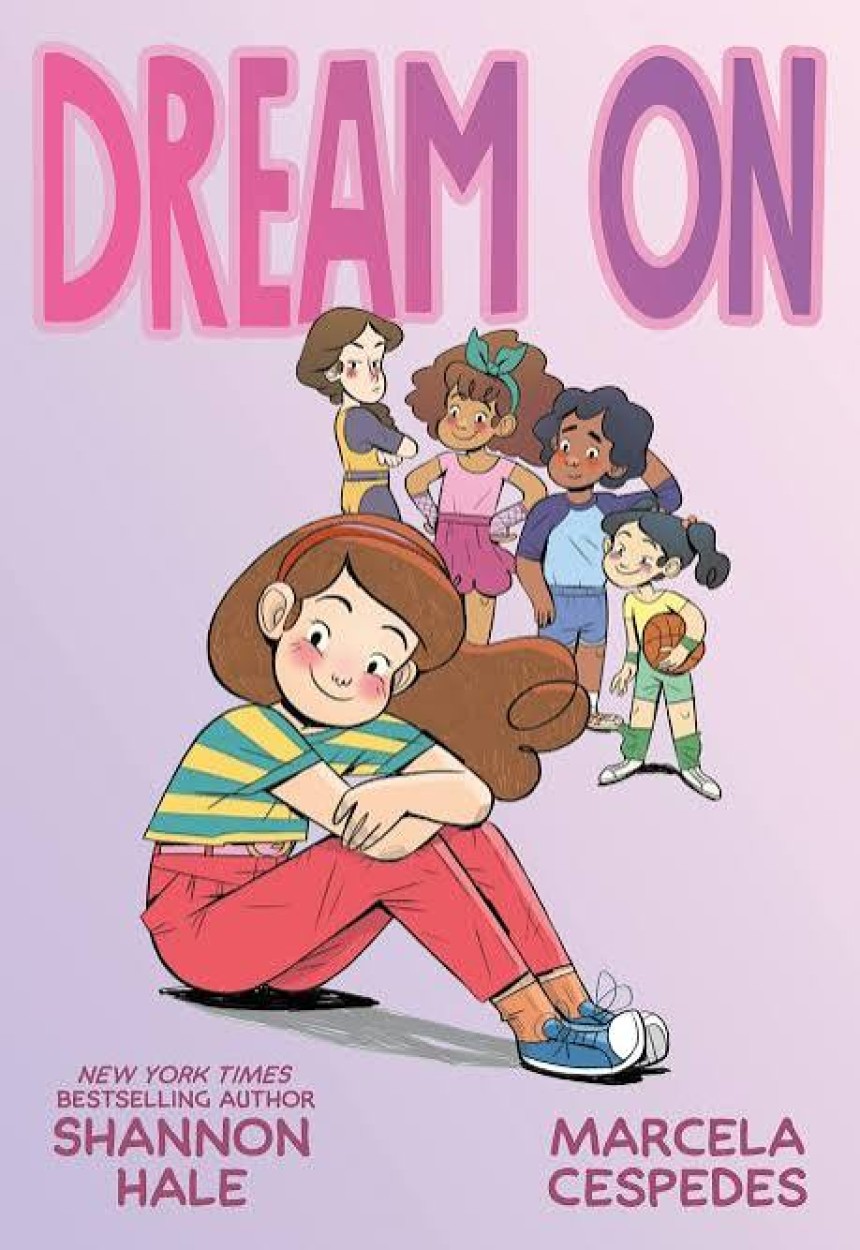
Kid Appeal: ⭐⭐⭐⭐½
Parent Verdict: Shannon Hale knows middle school feelings have absolutely no chill.
Cassie feels ignored at home, abandoned by her best friend and generally convinced that everyone else’s life is going better than hers.
Then she discovers she’s apparently won a sweepstakes.
Surely money will solve everything!
You can probably see where this is going.
What makes Dream On work is that it doesn’t dismiss Cassie’s gigantic emotions just because the problems causing them might look small to adults.
For kids living through them?
They’re enormous.
Best for: Graphic novel readers navigating friendship drama, big feelings or the general injustice of growing up.
8. The New Girl — Cassandra Calin
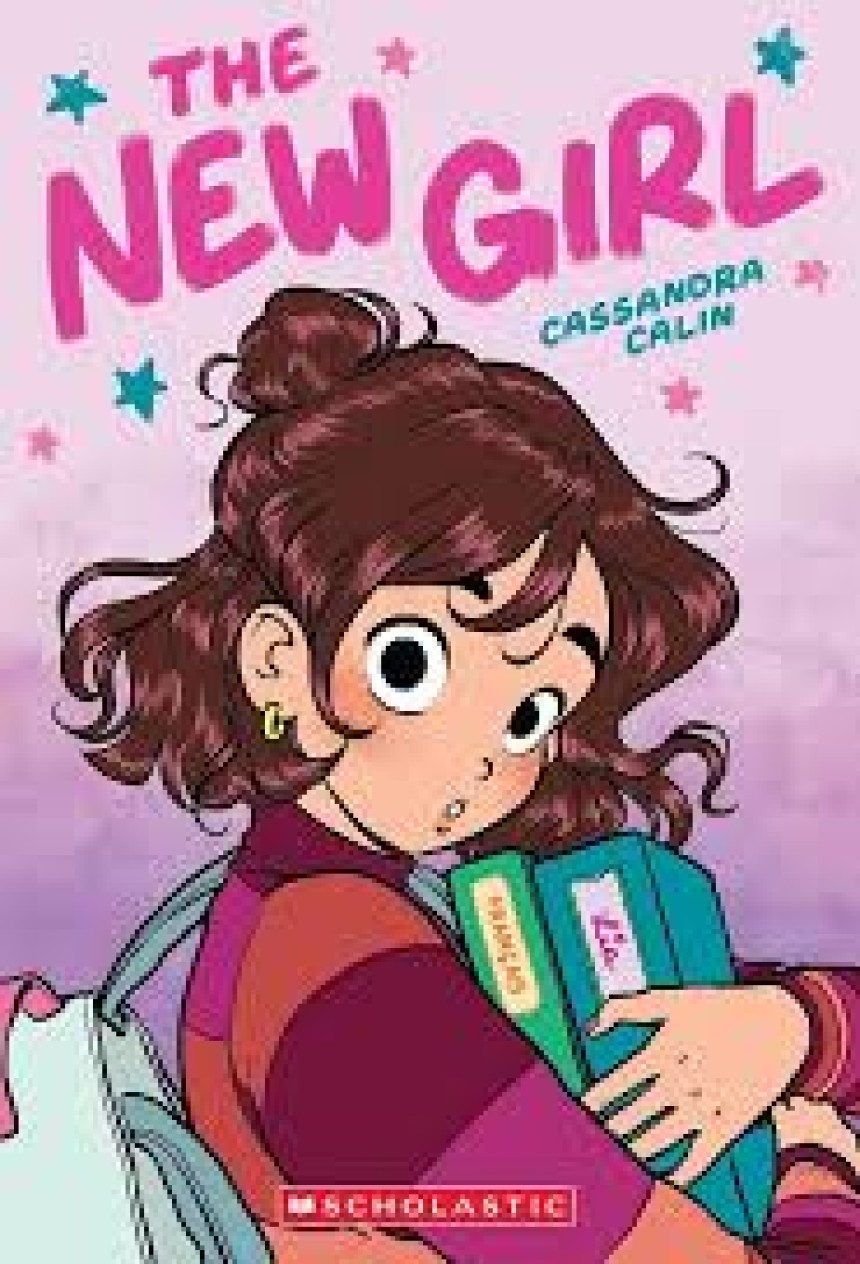
Kid Appeal: ⭐⭐⭐⭐½
Parent Verdict: Middle school is hard enough without doing it in a new country.
Lia moves from Romania to Canada and suddenly has to navigate a new home, a new language, new classmates—and getting her first period.
Because apparently puberty decided immigration wasn’t quite enough change at once.
This graphic novel gets something very right about middle-grade readers: sometimes the stories that connect most aren’t epic adventures.
They’re the ones that make kids think:
WAIT. OTHER PEOPLE FEEL LIKE THIS TOO?
Best for: Tweens navigating change, identity and the absolute chaos that is puberty.
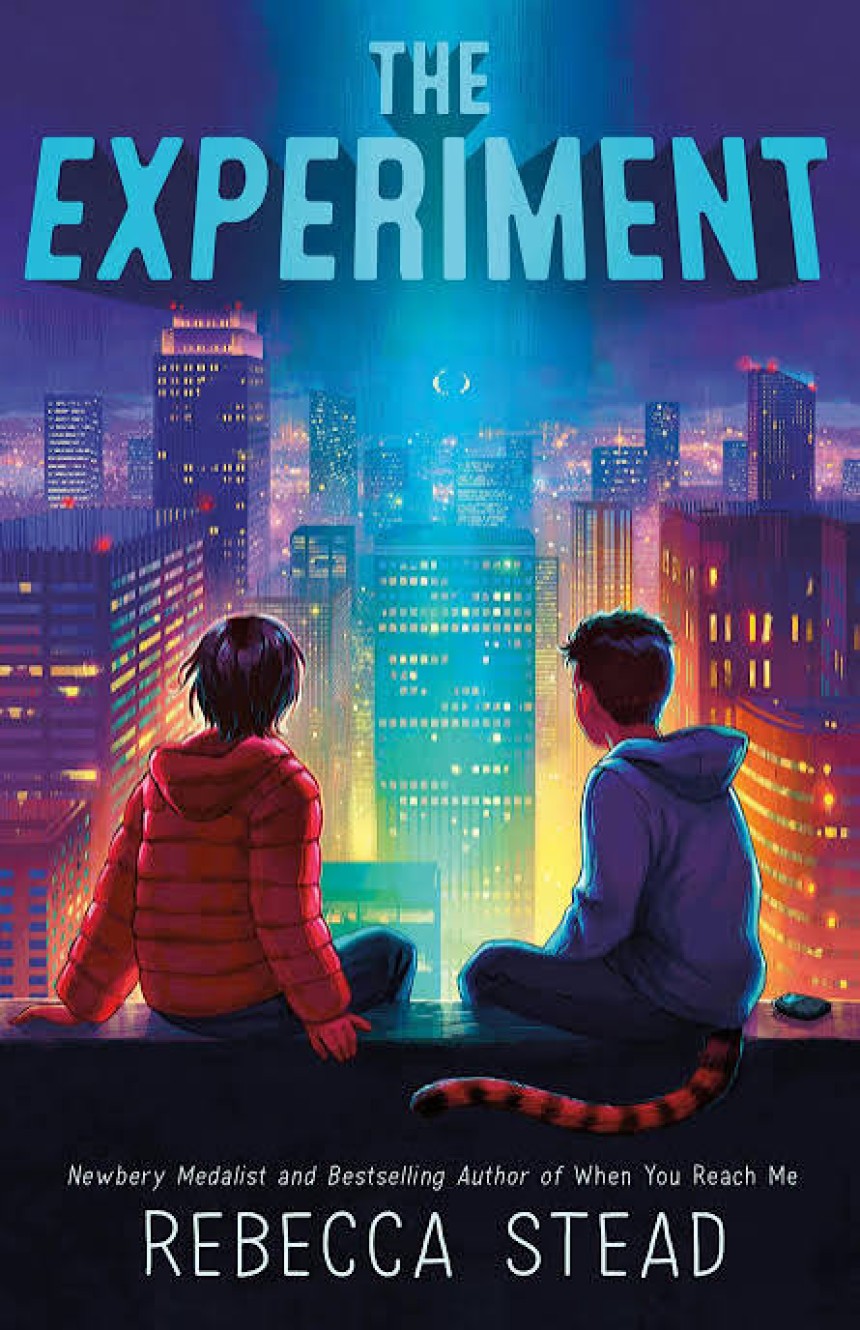
7. The Experiment — Rebecca Stead
Kid Appeal: ⭐⭐⭐⭐½
Parent Verdict: Finally, an existential crisis with a tail.
Nathan knows he’s an alien.
His entire family is part of an experiment on Earth.
Totally normal stuff.
Until Nathan grows a tail and starts realizing that maybe he doesn’t understand the experiment nearly as well as he thought.
This is exactly the kind of premise that can hook a kid before they realize they’re also reading about identity, family, ethics and belonging.
That is elite summer-reading trickery.
Best for: Sci-fi readers and kids who need something weird to get them hooked.
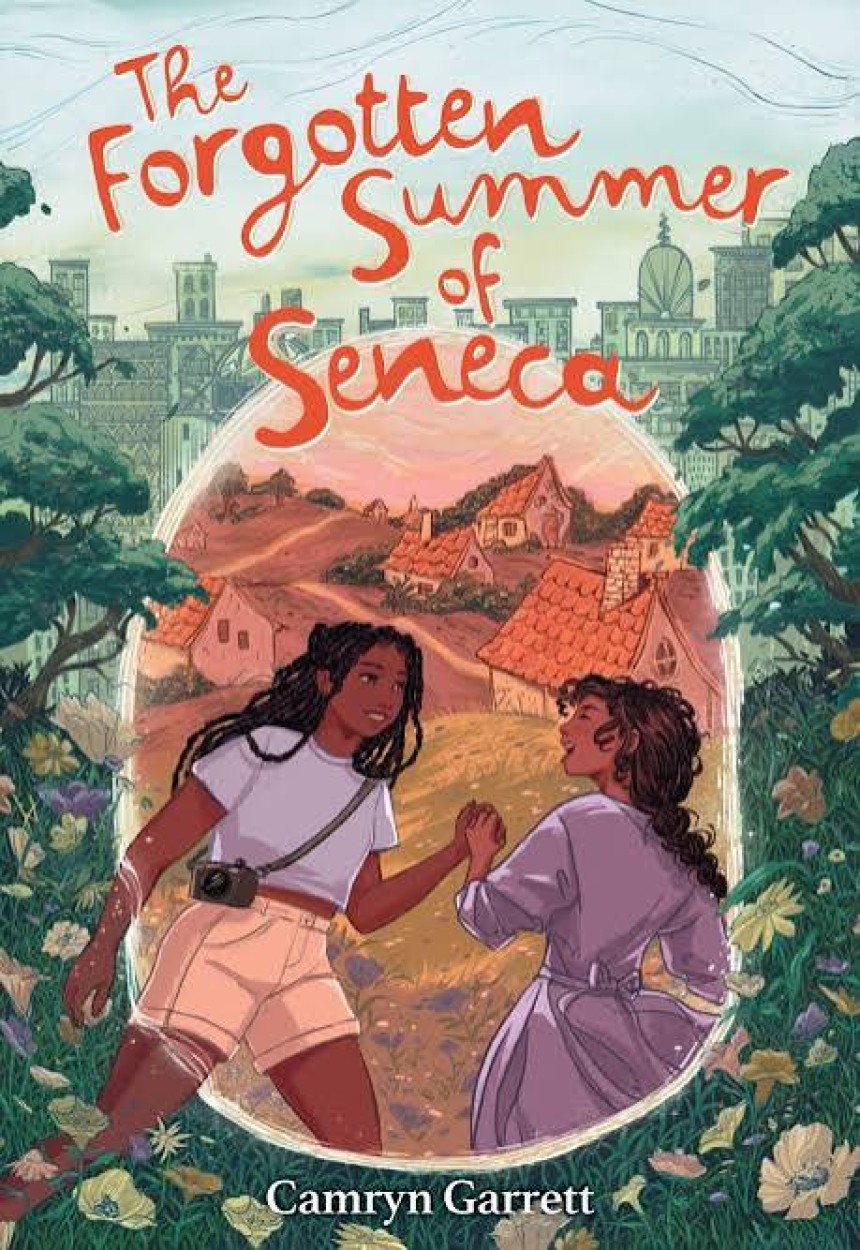
6. The Forgotten Summer of Seneca — Camryn Garrett
Kid Appeal: ⭐⭐⭐⭐½
Summer Energy: ☀️☀️☀️☀️☀️
Parent Verdict: History + portal fantasy = you have my attention.
Twelve-year-old Rowan isn’t exactly thrilled about spending the summer with her aunt in New York City.
Then she steps through a portal into the city’s past.
Okay, librarians.
Now we’re cooking.
Combining actual history with fantasy adventure is one of my favorite ways to get kids interested in the past without making them feel like they’re reading a textbook.
Best for: Fantasy readers who swear they don’t like historical fiction.
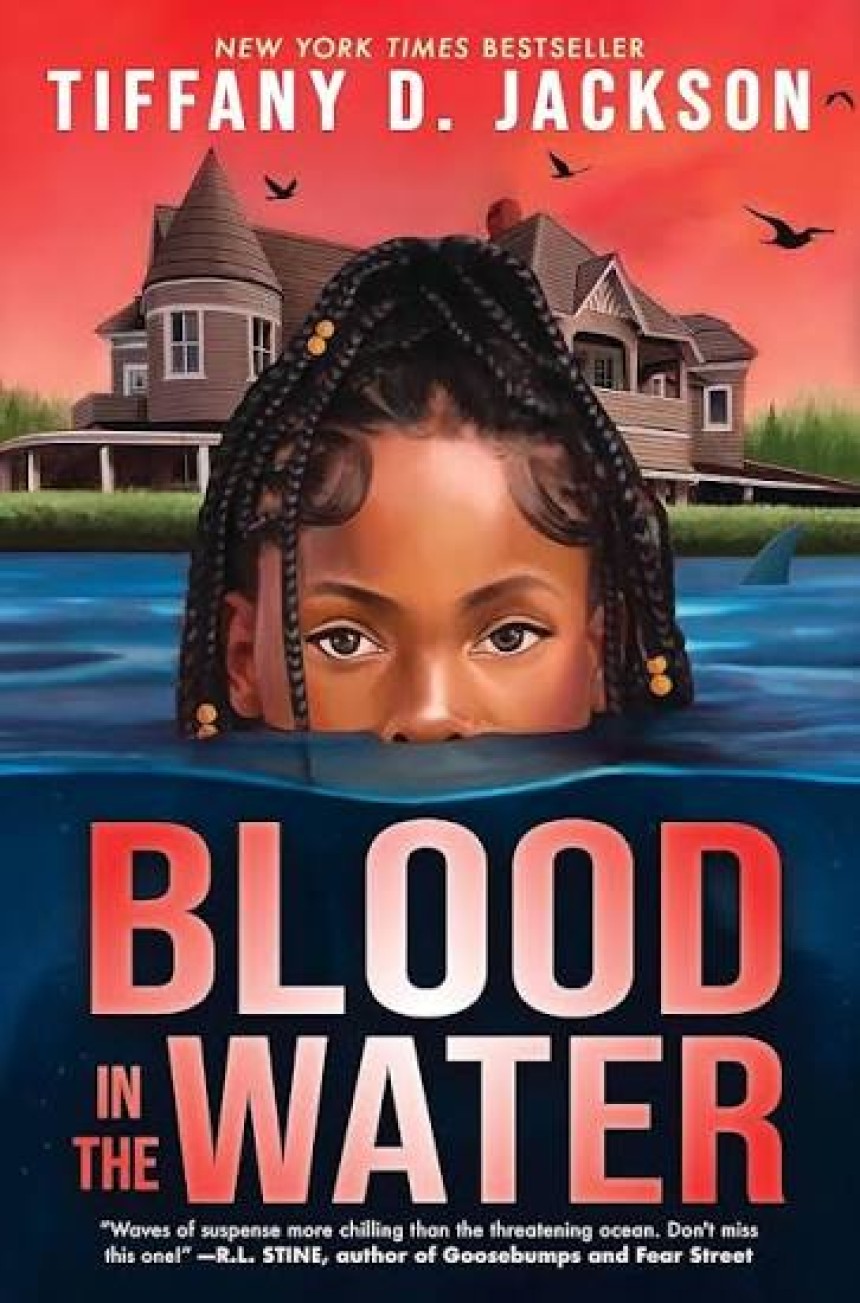
5. Blood in the Water — Tiffany D. Jackson
Kid Appeal: ⭐⭐⭐⭐⭐
Parent Verdict: Your tween’s first beach read has arrived.
Twelve-year-old Kaylani is spending the summer on Martha’s Vineyard when a popular local teenager turns up dead.
Naturally, she starts investigating.
A summer vacation.
An island.
A murder.
A twelve-year-old amateur detective.
THIS is how you get a kid to read over summer vacation.
It’s essentially the middle-grade version of tossing a thriller into your beach bag and telling everyone you’ll be unavailable for the next six hours.
Best for: Mystery lovers and older kids who want something that feels less “little kid.”
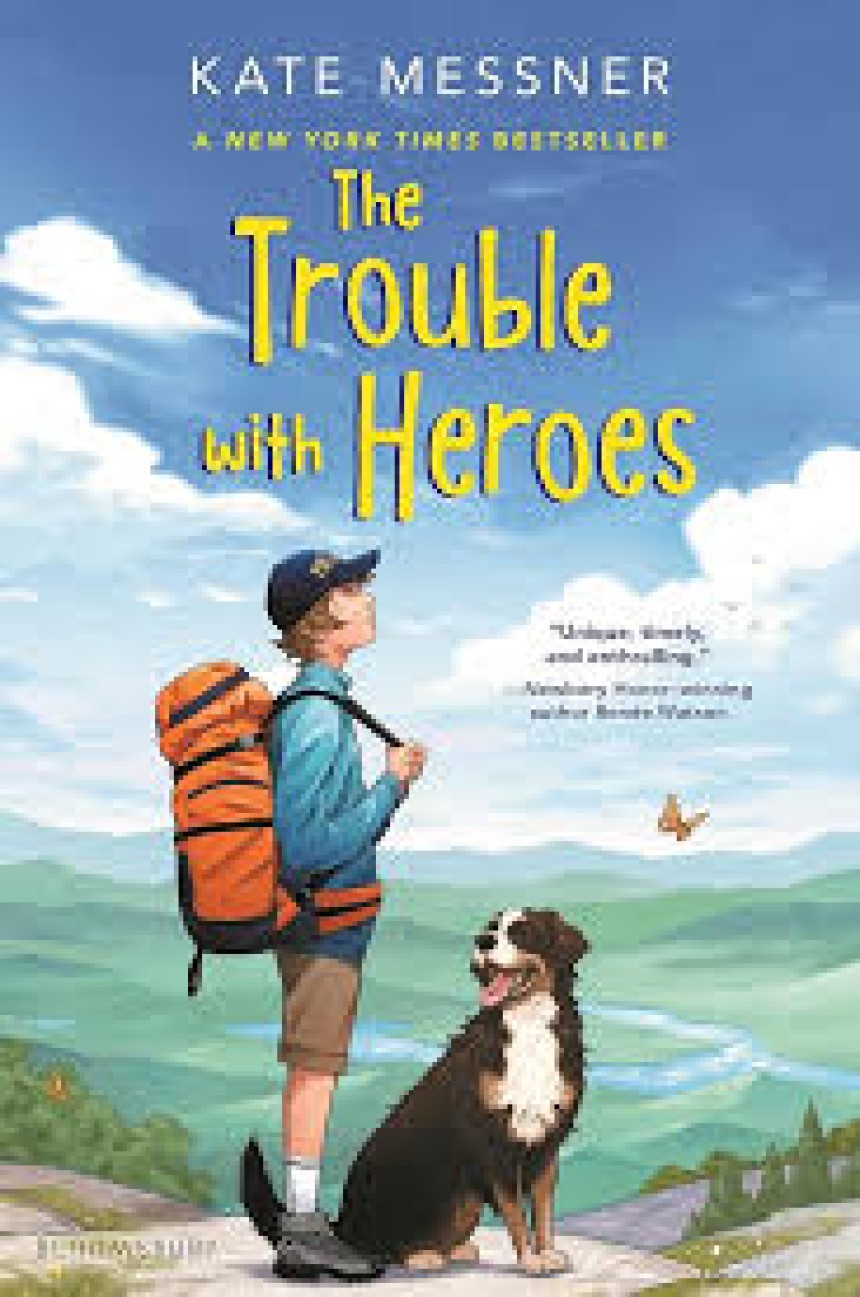
4. The Trouble With Heroes — Kate Messner
Kid Appeal: ⭐⭐⭐⭐⭐
Parent Verdict: This one may hurt a little—in the best way.
After Finn damages a tombstone, he’s given an unusual way to make amends: hike all 46 Adirondack High Peaks with the deceased woman’s dog.
Except Finn is carrying much more than a backpack.
He’s grieving his father.
This novel-in-verse manages to combine an outdoor adventure with grief, anger and the complicated realization that the people we love don’t have to be perfect to be our heroes.
It’s emotional without feeling like someone handed your kid a book because it contains an Important Lesson™.
And that’s harder to accomplish than it sounds.
Best for: Kids who like emotional stories but are intimidated by giant novels.
3. Scarlet Morning — ND Stevenson
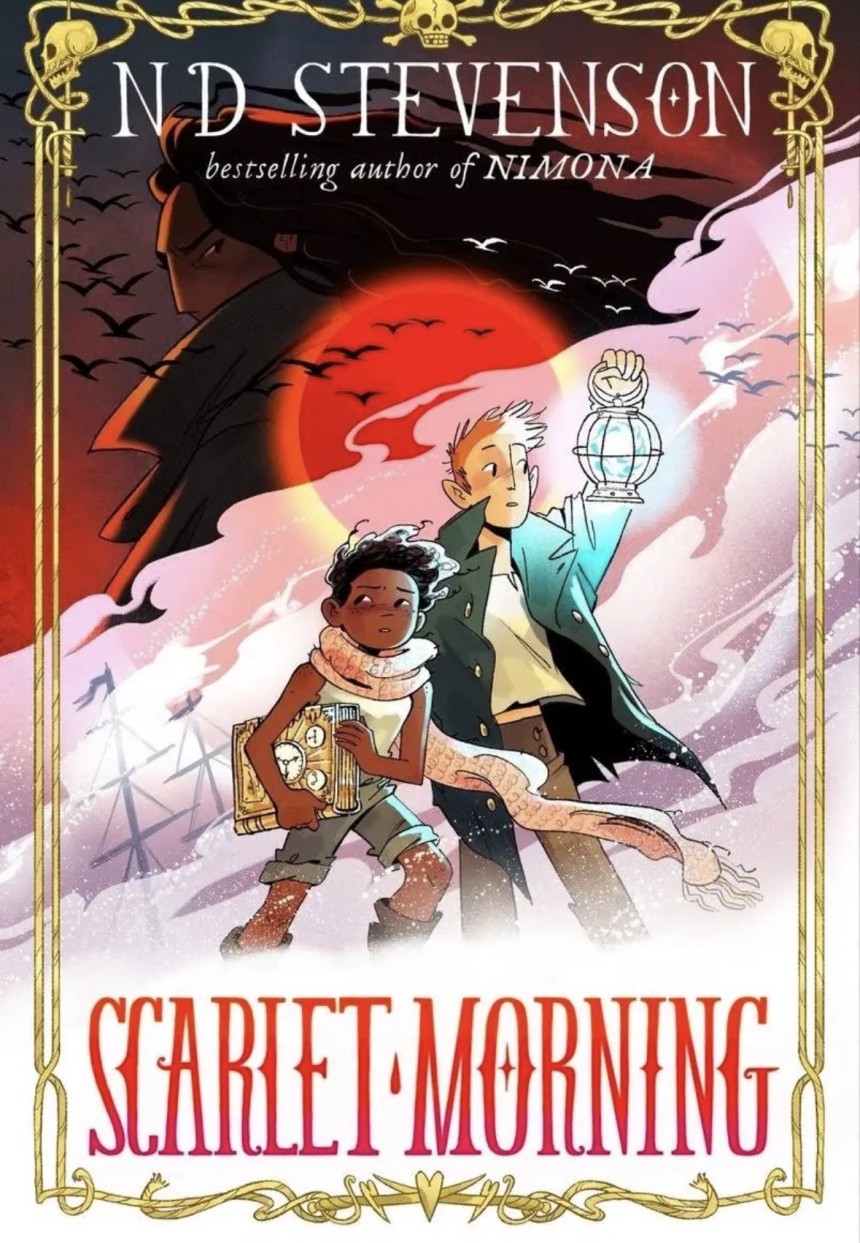
Kid Appeal: ⭐⭐⭐⭐⭐
Summer Energy: ☀️☀️☀️☀️☀️
Parent Verdict: PIRATES. I repeat: PIRATES.
Viola and Wilmur have grown up isolated on a strange island.
Then Captain Cadence Chase arrives.
And suddenly we’ve got ships, secrets, magic, creepy seagulls, a murdered queen, mysterious books and a legendary pirate.
ND Stevenson—creator of Nimona—basically looked at the summer reading assignment and said:
What if instead we made children desperate to know what happens next?
The only thing keeping this from the number-one spot is its 400-plus-page length, which may look intimidating to a reluctant reader.
For the fantasy kid?
Hand it over immediately.
Best for: The child who already owns a sword they aren’t technically supposed to swing inside the house.
2. The Undead Fox of Deadwood Forest — Aubrey Hartman
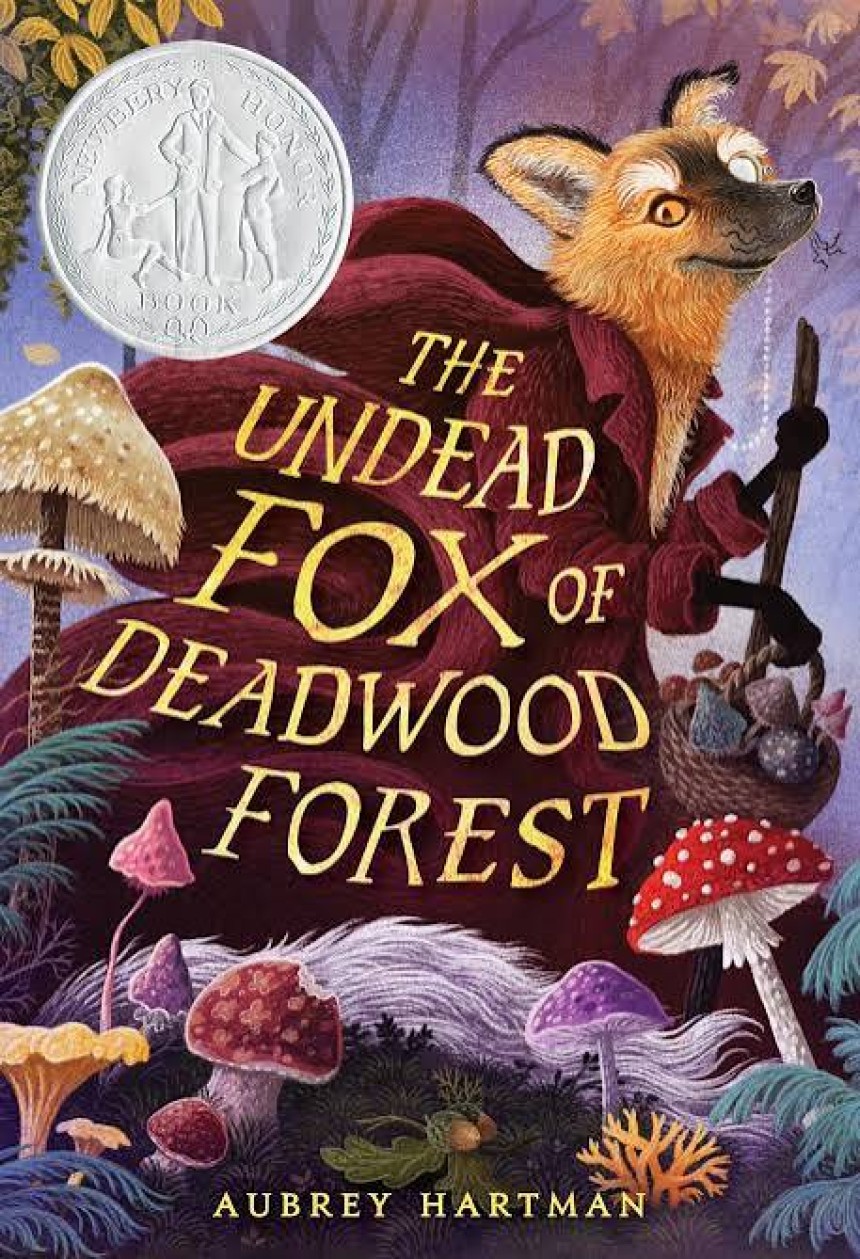
Kid Appeal: ⭐⭐⭐⭐⭐
Parent Verdict: I came for the undead fox. I stayed for the existential crisis.
Clare is a fox.
Clare is also dead.
Well…
Sort of.
He lives in Deadwood Forest, caught somewhere between life and death, where he helps animal souls move into the Afterlife.
Then a stubborn dead badger named Gingersnipes arrives—and for some reason, Clare can’t send her anywhere.
What follows is strange, funny, heartfelt and surprisingly profound.
This is the rare children’s book that can give kids a quirky fantasy adventure while quietly asking enormous questions about death, grief, self-worth and what it means to be good.
And apparently I’m supposed to rank a book about an undead fox below number one?
This job is impossible.
Best for: Fantasy lovers, animal lovers and the wonderfully weird kid in your life.
1. Oasis — Guojing 🏆
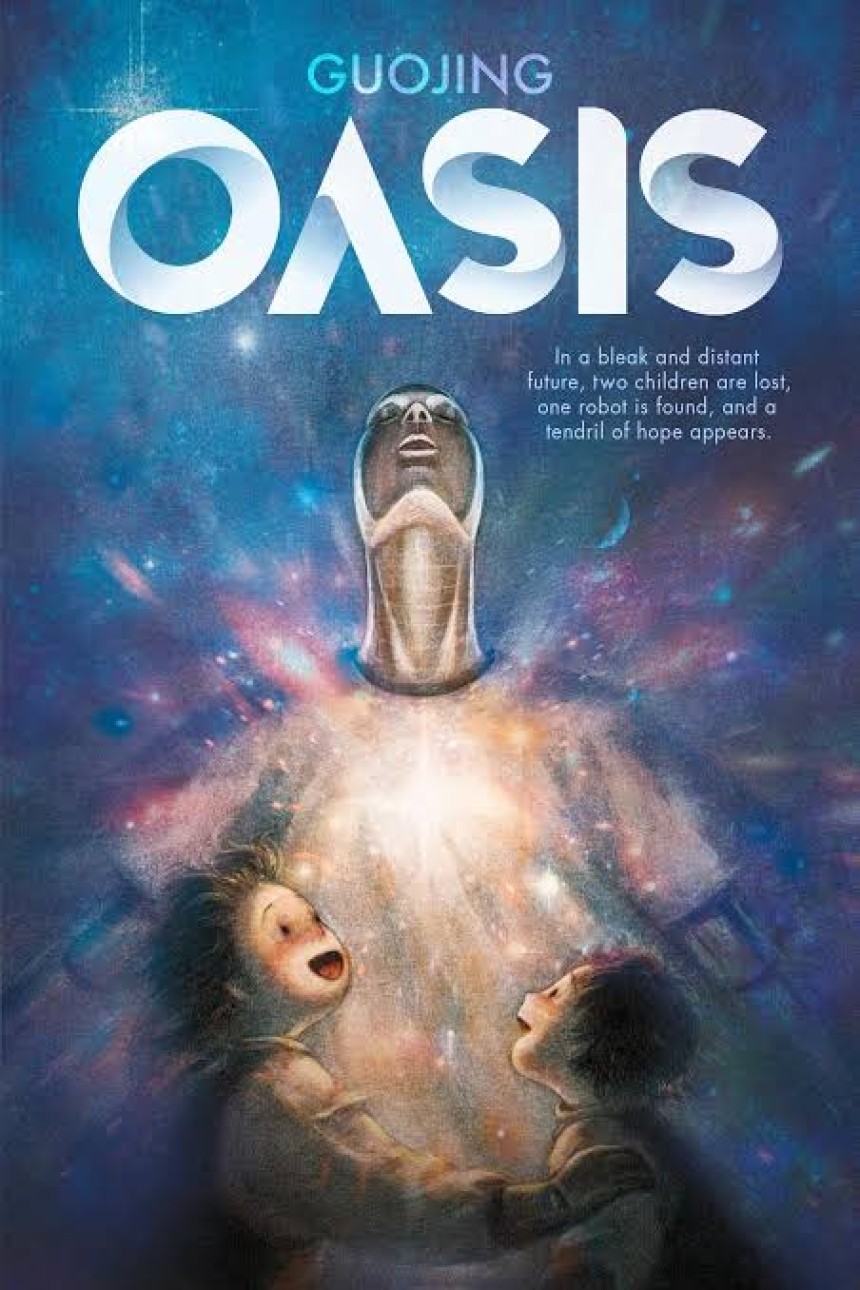
Kid Appeal: ⭐⭐⭐⭐⭐
Parent Verdict: This is why graphic novels belong on summer reading lists.
Two siblings.
A dystopian desert.
A mysterious robot.
That’s really all you need to know before handing this one to a kid.
But Oasis earns my top spot because it represents exactly what I want summer reading to accomplish.
It’s visually inviting enough that a reluctant reader isn’t immediately confronted with a wall of text. The science-fiction premise provides an immediate hook. And beneath the adventure is a story about connection, survival and what it means to be human.
Most importantly?
It looks like something a kid might pick up even if nobody told them they had to read.
And that matters.
Because somewhere along the way, adults became so focused on whether children were reading the right books that we occasionally forgot the first step:
Getting them to love reading at all.
So What’s the Real Best Book on the ALA Summer Reading List?
Whichever one your kid actually wants to read.
Seriously.
Maybe your kid couldn’t care less about an undead fox but will spend three hours studying photographs of Amazonian insects.
Maybe they’re obsessed with graphic novels.
Maybe they want fantasy.
Maybe they want history.
Maybe they want a book about a twelve-year-old solving a murder on Martha’s Vineyard—which, frankly, is extremely relatable because I also want that book.
The ALA’s 2026 lists work because there isn’t one definition of what counts as a “good reader.”
There are graphic novels beside traditional novels. Memoir beside fantasy. Science beside murder mysteries. Serious stories beside ridiculous ones.
And that’s exactly how it should be.
Summer reading shouldn’t be about forcing kids to finish books so they can check a box before school starts.
It should be about helping them find the book that makes them forget someone told them to read.
That’s the book that wins summer reading.